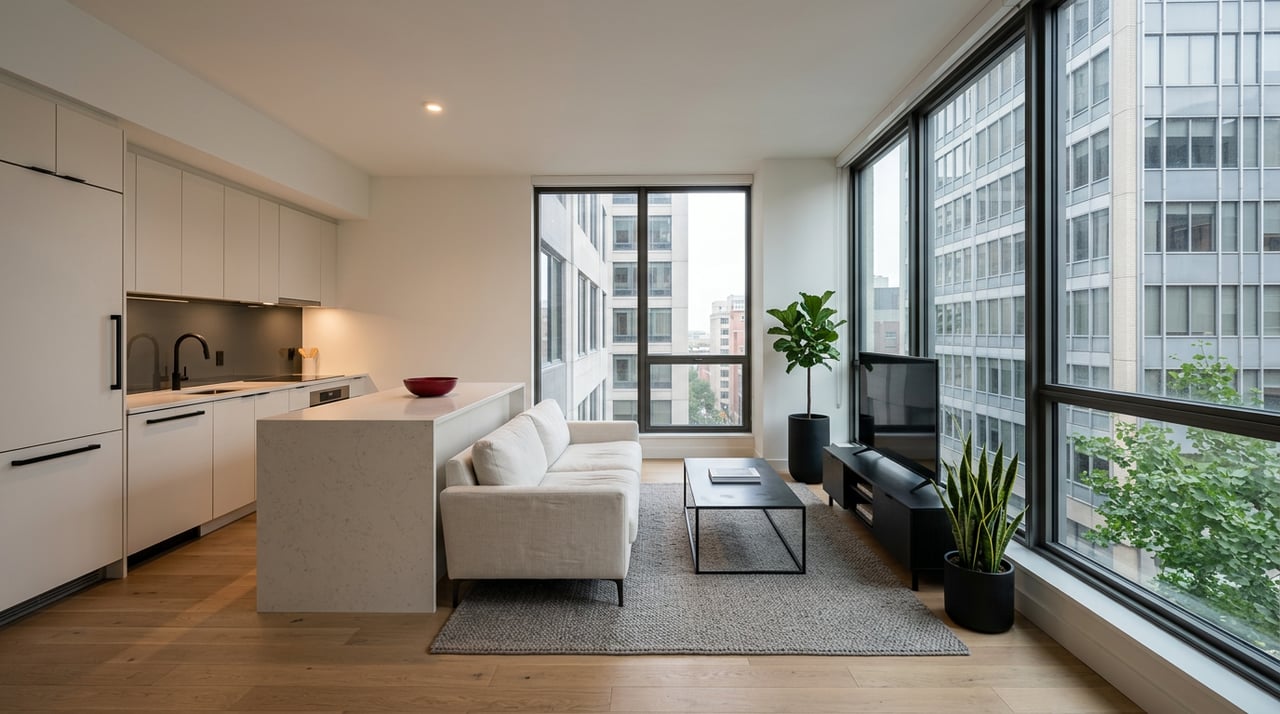
Wondering if living steps from Wall Street, the waterfront, and nearly every subway line fits your next chapter? If you want top-tier transit, newer high-rise amenities, and calmer nights than the heart of Midtown, the Financial District could check a lot of boxes. In this guide, you’ll get a clear look at housing types, pricing, commute options, daily life, and how FiDi stacks up to Tribeca, Battery Park City, and Midtown. Let’s dive in.
FiDi today: from 9-to-5 to 24/7
Lower Manhattan has transformed into a true residential district. The Alliance for Downtown New York reports the area’s resident population recently surpassed about 70,000, a major milestone tied to new housing and office-to-residential conversions. You can see the results in fuller sidewalks, more open restaurants, and active waterfronts. For a broad snapshot of this shift and current momentum, review the Downtown Alliance’s latest year in review.
- According to the Alliance, Lower Manhattan’s growth is closely linked to conversion activity and new rental deliveries, which drive more retail and services. Read the Downtown Alliance overview.
Housing mix and what you’ll see
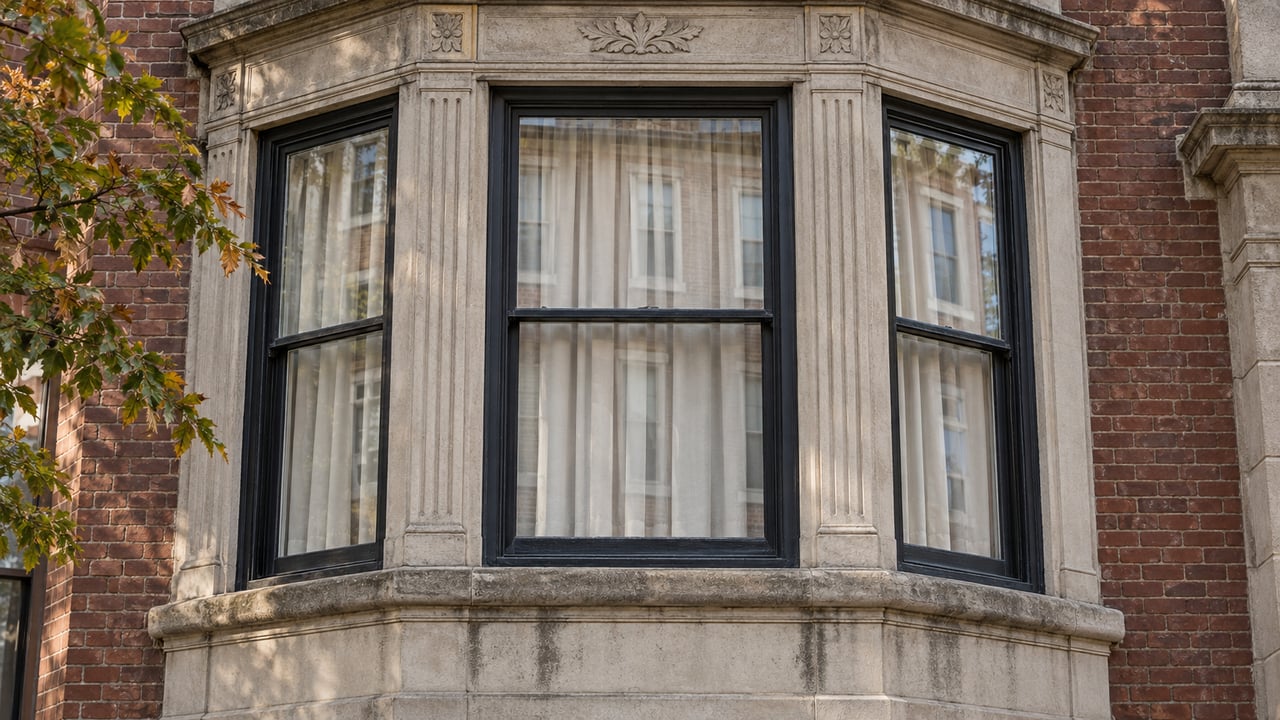
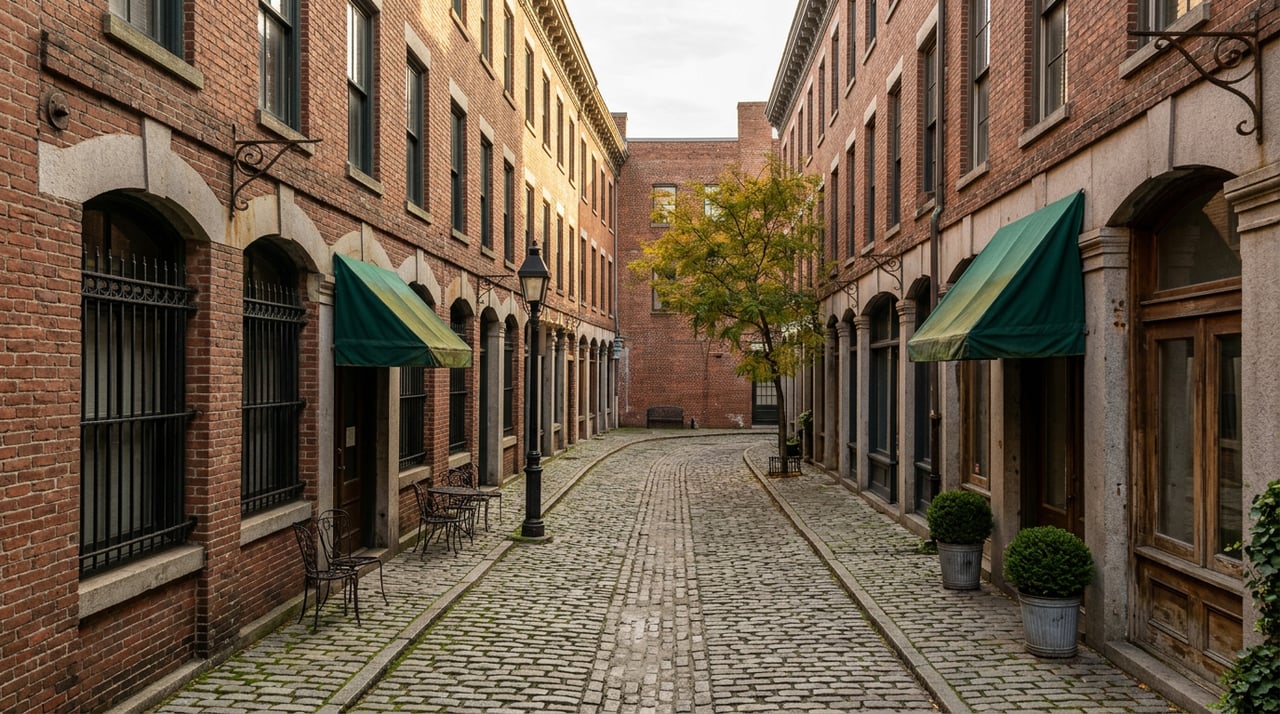
FiDi blends historic texture with modern towers. That mix shows up clearly when you tour buildings.
Converted lofts and prewar conversions
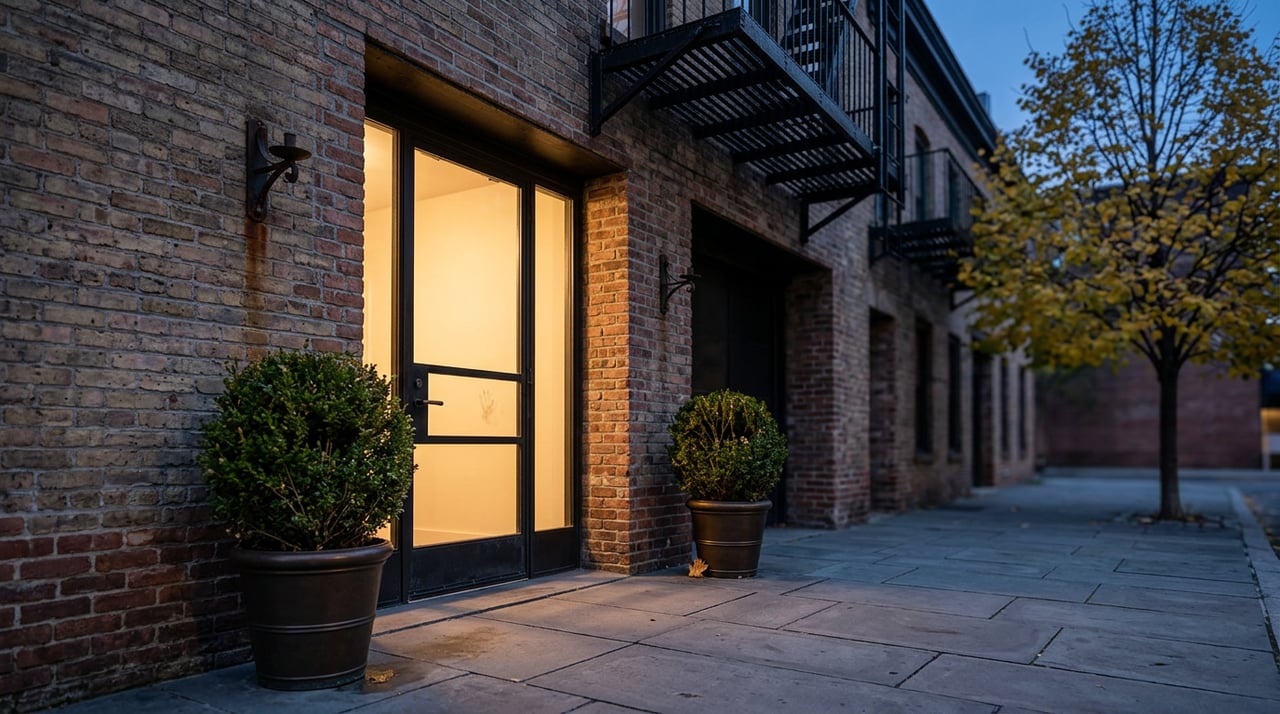
Many former commercial and industrial buildings have become condos and lofts. Expect higher ceilings, big windows, and some creative layouts that reflect older floor plates. These homes offer character and a downtown feel you will not find in many newer towers.
Large office-to-residential conversions
A defining trend is the wave of larger office buildings turning into apartments, often with amenity packages that include lounges, gyms, and rooftops. Conversions can add hundreds of homes at once, which helps expand rental choices and can energize surrounding blocks. A widely reported example is the planned Silverstein/Metro Loft conversion at 55 Broad Street, expected to create hundreds of units. See reporting on 55 Broad.
New glass towers and full-service condos
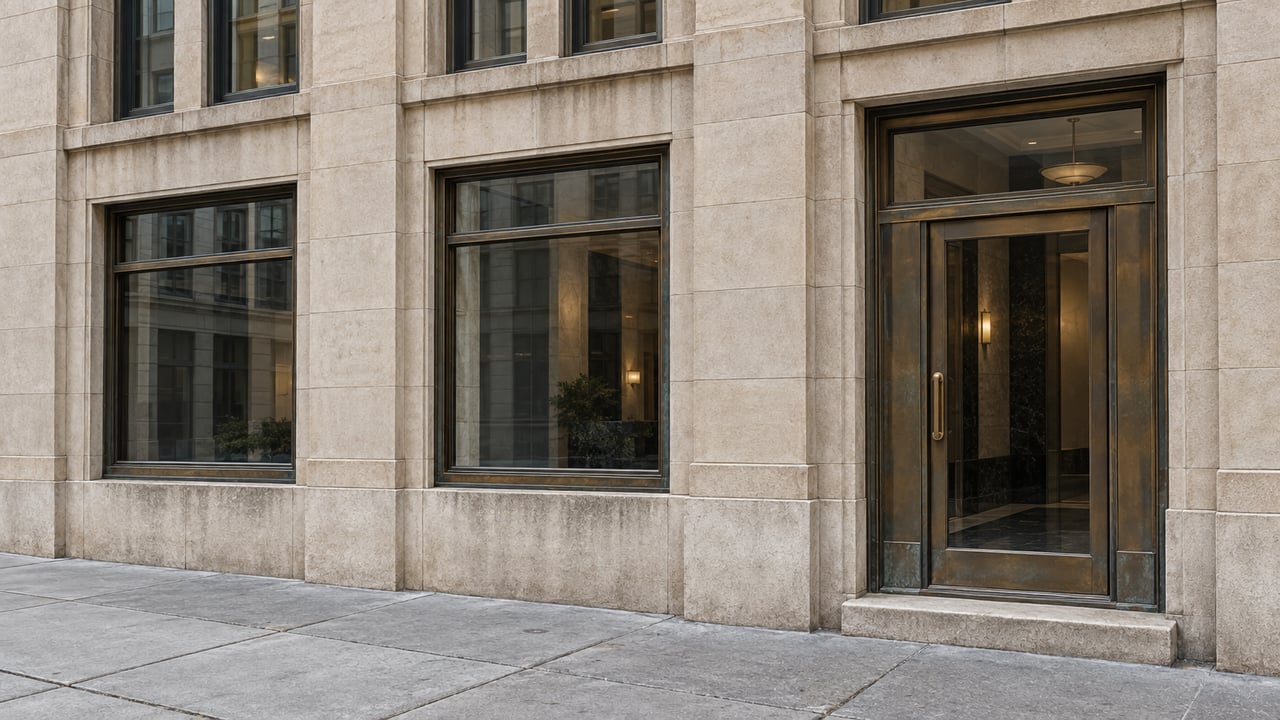
You will also find purpose-built residential towers with modern finishes, doorman service, and skyline views. These buildings tend to deliver consistency in layouts and amenities, along with that signature glass-and-steel look.
Price context and medians
StreetEasy’s neighborhood page shows a Financial District median sale price around $1.1M and a median base rent around $4,695. These are broad medians across condos, co-ops, and rentals, and they move with new inventory. For current neighborhood medians and active listings, check the StreetEasy Financial District page.
Transit and commute options
FiDi is one of the city’s most connected neighborhoods. The Fulton Center ties together multiple subway lines, making cross-city trips simple. If you commute to New Jersey, the World Trade Center hub connects directly to PATH trains.
- Learn how Fulton Center integrates transfers and service at this project overview.
- For PATH details, explore the World Trade Center PATH station.
You also have quick ferry access at Pier 11/Wall Street and Battery Park City, plus Citi Bike docks across the area. If you split time between boroughs or across the river, those multimodal choices are a daily advantage.
Waterfront, parks, and essentials
One of FiDi’s strongest lifestyle perks is how fast you can get to the water. The Hudson River Park stretches along the west side with running and biking paths, lawns, and piers. On the west side, Battery Park City’s esplanade offers uninterrupted harbor views and a steady calendar of community programming.
- Explore amenities and programming across the west side at Hudson River Park.
- See community updates and programming from the Battery Park City Authority here.
For daily errands and dining, you have a growing mix of retail and restaurants centered around Brookfield Place, the Seaport/Pier 17, and Stone Street. As more residents move in, street-level options continue to expand.
Evenings and weekends: what it feels like
FiDi carries two overlapping rhythms. Weekdays feel lively with office workers and visitors. Evenings can be quieter on some blocks, which many residents like for a calmer home base. Weekends have picked up as local restaurants, bars, and retail cater to the growing residential crowd. If you want more late-night buzz every night, compare FiDi’s pockets to busier downtown corridors before you decide.
Who tends to thrive in FiDi
FiDi works well if you value convenience, amenities, and connectivity. Here is where it often fits best:
- Professionals who want shorter commutes and fast transfers to Midtown, Brooklyn, Queens, or New Jersey.
- Buyers or renters who like modern buildings with doormen, gyms, and rooftops.
- People who prefer quieter evenings near active daytime corridors and waterfront walks.
- Those who want easy access to Battery Park City’s parks and community programming next door.
How FiDi compares nearby
If you are deciding between downtown neighborhoods, a quick contrast helps frame the choice.
- FiDi: Mix of conversions and amenity buildings, strong transit, growing retail, and many units in larger towers. Quieter at night in sections, with weekends getting busier. Pricing is generally more approachable than the west side’s top luxury areas.
- Tribeca: Loft-luxe and boutique conversions with very high medians compared with FiDi. Strong dining, quieter residential blocks, and a distinct architectural feel. For pricing context, see StreetEasy’s Tribeca page.
- Battery Park City: Planned waterfront neighborhood with parks, marinas, and extensive community programming. Many amenity-rich buildings and a consistent esplanade experience along the Hudson.
- Midtown: Primarily commercial with pockets of residential buildings and hotels. A good fit if you want an ultra-central location, but a different vibe from the waterfront focus downtown.
Market trends to watch
Office-to-residential conversions are reshaping Lower Manhattan and FiDi. As conversions deliver, they often bring modern amenities and add large batches of rental homes. In the near term, expect some construction activity around these sites and shifting retail as foot traffic patterns evolve. The Downtown Alliance notes that these projects are linked with increased leasing totals and more openings at street level, reinforcing the neighborhood’s 24/7 trajectory.
Pricing snapshot and buying strategy
With a median sale price near $1.1M and a median base rent near $4,695, FiDi spans a wide range of options, from compact one-bedrooms in conversions to higher-floor residences in new towers. Pricing varies by building age, amenity set, and view. Use current neighborhood pages for up-to-date medians and comps, since new deliveries can move the numbers. If you are weighing condo versus co-op, consider total monthly carrying costs, not just list price.
A smart approach is to define your must-haves up front: natural light and views, pet rules, storage, home office space, and access to the waterfront or PATH. Then compare a few building types side by side to see which tradeoffs feel right day to day.
Renter or buyer: what to ask on tours
Conversions and large amenity buildings make FiDi straightforward to shop if you focus your questions.
- Layouts and light: In older conversions, ask about ceiling heights, exposure, and any structural columns that affect furniture placement.
- Elevators and service: In larger towers, check elevator count and wait times during peak hours.
- Amenities and policies: Confirm guest policies, fees, and any reservation systems for rooftops or lounges.
- Nearby construction: Ask about current or planned conversion projects on the block and expected timelines.
- Retail and errands: Walk the immediate streets to gauge grocery, pharmacy, and dining within a 5- to 10-minute radius.
Smart touring checklist
Visit FiDi at different times to understand the weekday-to-weekend shift and how each block feels.
- Weekday midday: Feel commuter energy, check lunchtime foot traffic, and test elevator waits.
- Weeknight: Gauge evening noise, restaurant activity, and building entry experience after work.
- Weekend: See how parks, ferries, and local restaurants feel when residents are out and about.
- Transit test: Try transfers through Fulton Center and time your walk to the PATH if you head to New Jersey. Review the Fulton Center overview and the WTC PATH details to map your options.
- Waterfront walk: Explore Hudson River Park and the Battery Park City esplanade to picture your daily loop. Start with Hudson River Park.
Safety and community resources
Perceptions of safety vary by block and time of day in any dense city. For local updates on services and neighborhood discussions, Manhattan Community Board 1 is a helpful touchpoint. You can also review NYPD precinct statistics for current data. Start with Community Board 1’s district page.
So, is FiDi the right downtown move?
Choose FiDi if you want top-tier transit, fast waterfront access, and a wide mix of full-service buildings with growing retail at your doorstep. If you prefer a boutique loft feel with higher price points, add Tribeca to your tour list. If you want a planned waterfront neighborhood with extensive park access and community programming, include Battery Park City. The best way to decide is to walk the blocks, test your commute, and compare a few buildings head to head.
When you are ready to map options that match your goals and timeline, connect with Evan Roth to Schedule a Private Consultation.
FAQs
What makes FiDi’s commute options stand out for NYC buyers?
- Multiple subway lines at Fulton Center, direct PATH access at the World Trade Center, and nearby ferries give you fast choices to reach Midtown, Brooklyn, Queens, or New Jersey.
How busy or quiet is the Financial District at night?
- Many blocks feel calmer on weeknights than other downtown areas, while weekends and evenings have grown more active as restaurants and retail expand.
What are typical home prices and rents in FiDi right now?
- Recent neighborhood medians show sale prices around the low seven figures and base rents in the upper four thousands, with wide variation by building age, views, and amenities.
How does FiDi compare with Tribeca for buyers?
- FiDi generally offers more approachable prices and larger amenity buildings, while Tribeca’s loft and boutique inventory tends to have higher medians and a distinct architectural character.
What should I ask about in an office-to-residential conversion?
- Confirm layout efficiency, natural light, building mechanical upgrades, elevator count, amenity rules and fees, and any nearby construction that may affect noise or access.
Where can I find local updates on services and safety in Lower Manhattan?
- Manhattan Community Board 1 posts neighborhood resources and updates; you can also review NYPD precinct statistics for current data.