If you want a Manhattan home that feels both practical and special, Greenwich Village is hard to ignore. For many pied-à-terre buyers, the appeal is obvious: historic streets, strong transit access, and a neighborhood identity that still feels distinct in a city full of options. The challenge is that buying here is rarely simple, especially when you need a second home that works smoothly from day one. This guide walks you through the key considerations so you can evaluate the right apartment, building, and ownership structure with more confidence. Let’s dive in.
Why Greenwich Village Appeals
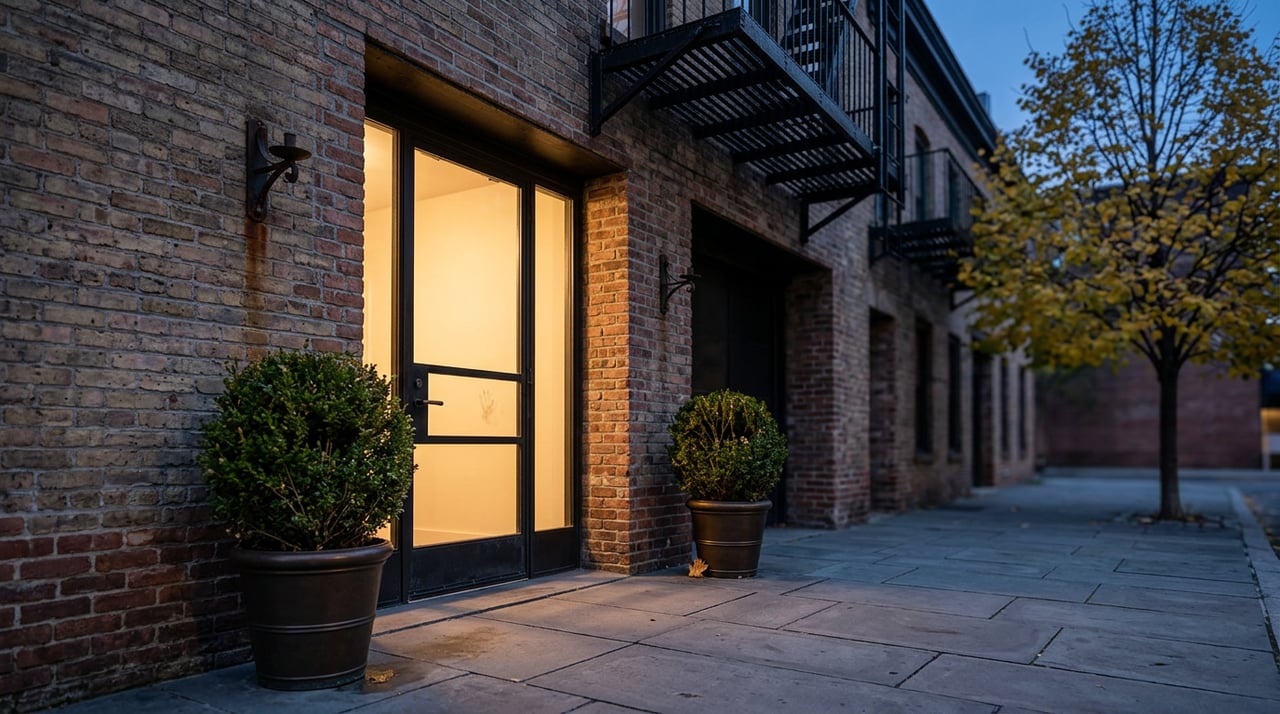
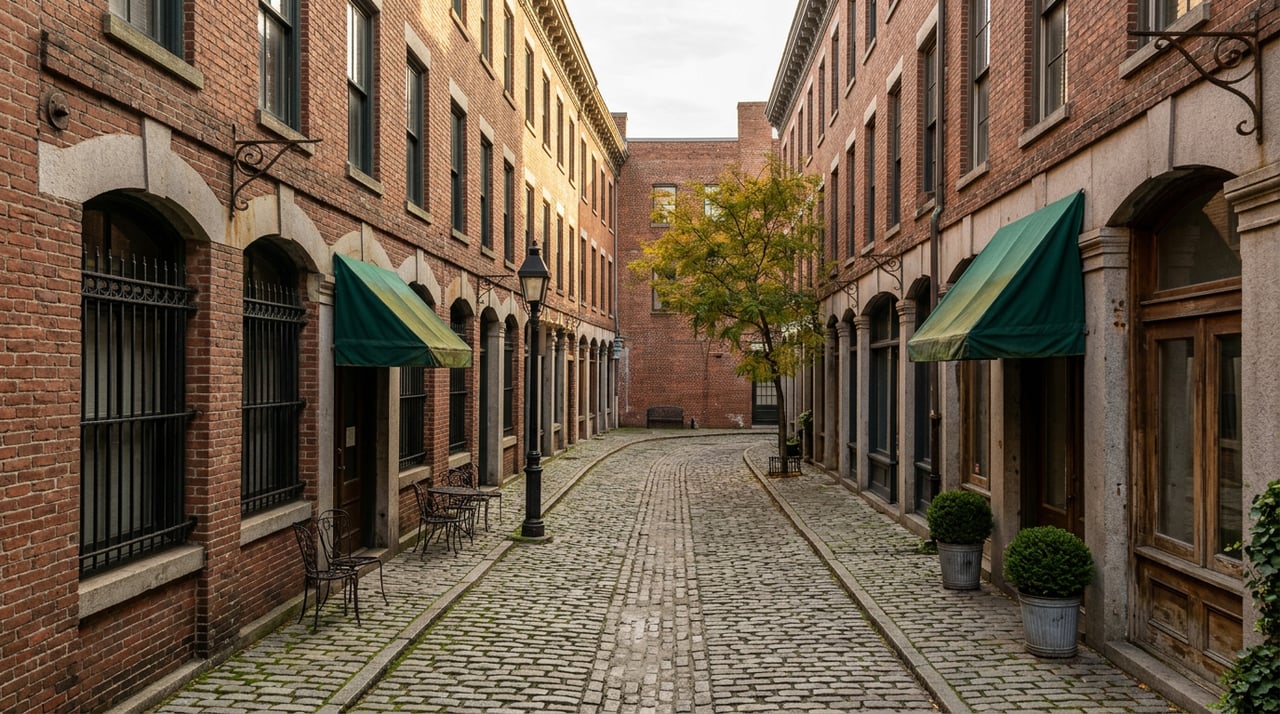
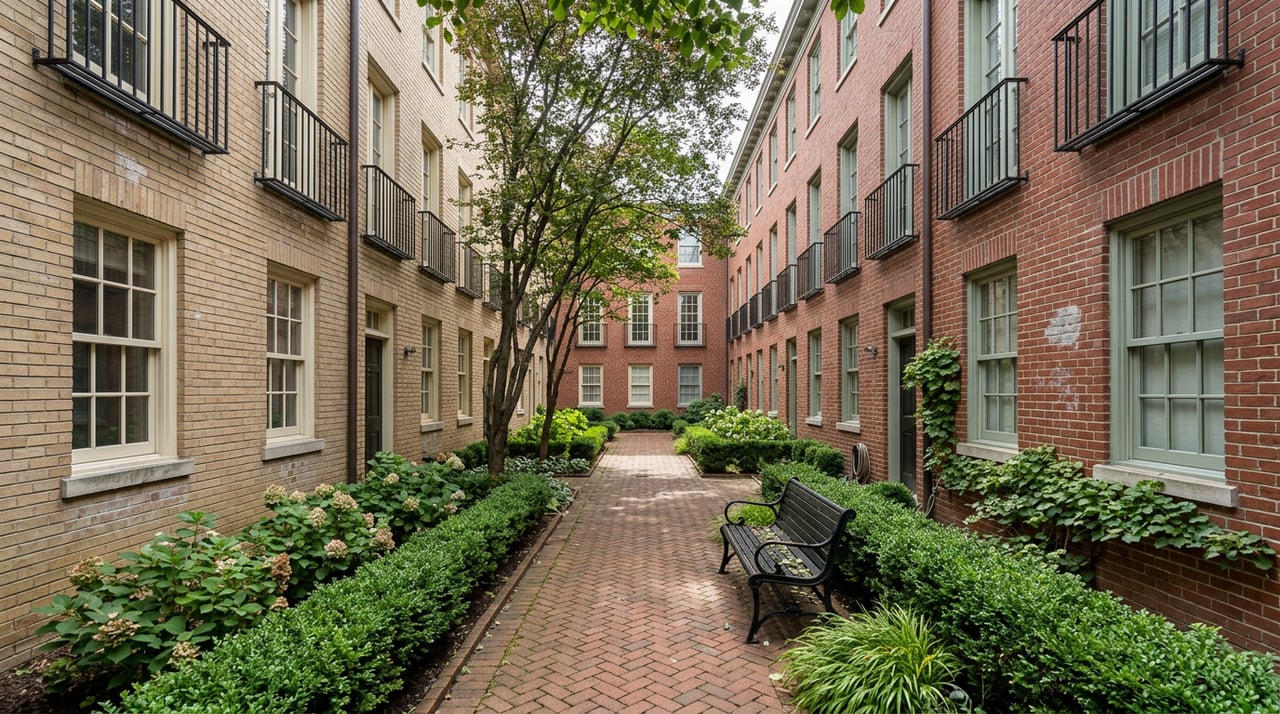
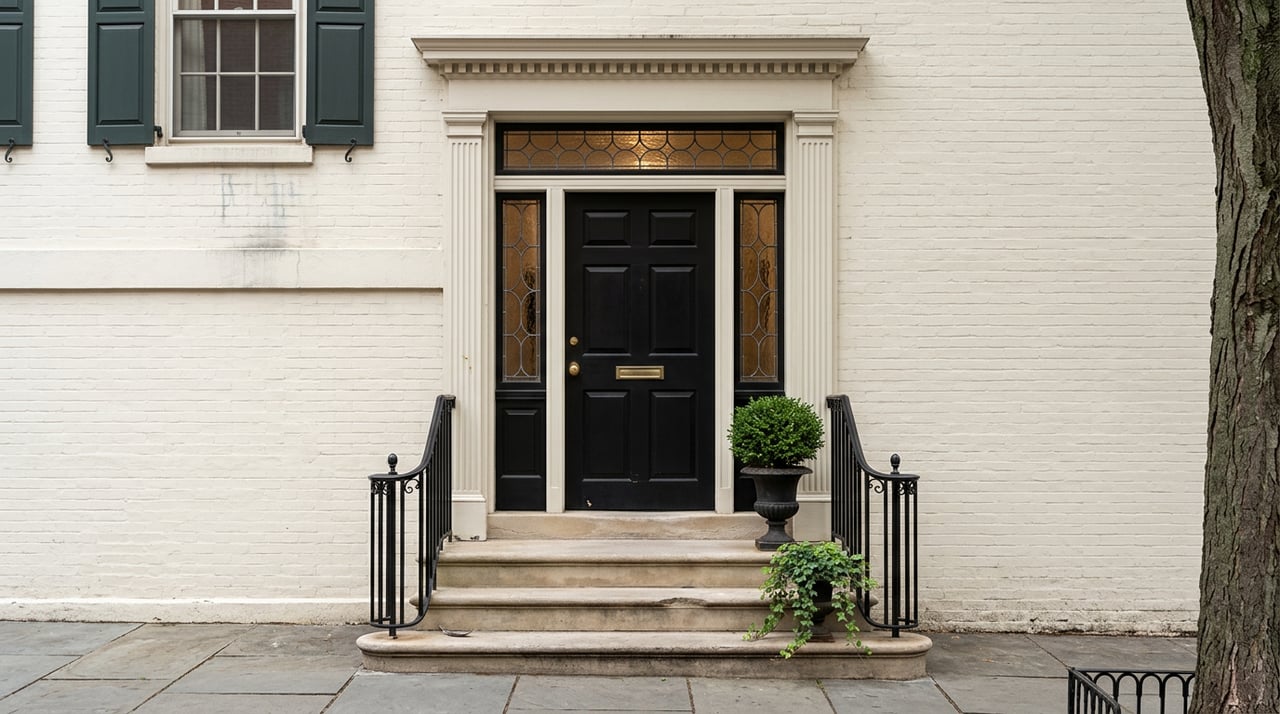
Greenwich Village offers something many buyers are chasing but few neighborhoods can fully match: scarcity, character, and convenience in one place. Housing stock here tends to be a mix of upscale co-ops, townhouses, and classic walk-ups, rather than a large pipeline of new condos.
That limited supply supports the neighborhood’s premium pricing. Recent market trackers place the median price at roughly $1.5 million to $1.7 million, with median days on market around 51 to 63 days, which points to a market that is expensive but still moving for well-positioned homes.
Lifestyle is a major part of the value story. Washington Square Park remains a central anchor, and the area’s cultural identity is reinforced by Stonewall National Monument and the broader Greenwich Village Historic District, which was designated in 1969.
Start With Ownership Structure
For a pied-à-terre purchase in Greenwich Village, one of the first questions is whether you are buying into a co-op or a condo. That choice affects flexibility, approval requirements, and your long-term options.
In a co-op, you buy shares in a corporation and receive a proprietary lease. In a condo, you own the individual unit plus an undivided interest in the common elements.
In practical terms, condos are often a cleaner fit for a true second-home buyer who wants more flexibility. Co-ops can still work well, but they usually require much closer review of the bylaws, proprietary lease, house rules, and sublet policies.
Why Building Rules Matter More Than Labels
The label alone does not tell you enough. A condo may still have rules that affect guest use or ownership structure, and a co-op may be more accommodating than expected.
For a second home, the real issue is whether the building’s current governing documents allow non-primary use, guest stays, future subletting, and your preferred ownership setup. If you are considering a trust or LLC, that question should be answered early.
Review Current Governing Documents
One of the most important steps in a Greenwich Village purchase is reviewing the building’s current documents, not just the listing materials or original offering plan. In both co-ops and condos, original plans may be outdated.
You should obtain the current bylaws, house rules, and any amendments. For condos, the key documents include the declaration, bylaws, floor plans, and rules and regulations. For co-ops, focus on the bylaws, proprietary lease, and house rules.
The New York Attorney General also recommends reading the full offering plan and consulting an attorney before signing a purchase agreement. That process can help uncover restrictions, fees, or building issues that are easy to miss at first glance.
Questions to Ask Before You Commit
For a pied-à-terre, these building-specific questions are especially important:
- Does the board permit non-primary residence use?
- How are guest occupancy and extended stays handled?
- Are sublets allowed now or in the future?
- Will the building accept purchase through a trust or LLC?
- What are the move-in rules and renovation windows?
- How are package deliveries, contractor access, and day-to-day logistics managed?
- What are the current pet policies?
These details shape how useful your apartment will actually be. A beautiful apartment in a restrictive building can quickly become a frustrating second home.
Older Buildings Need Deeper Due Diligence
Much of Greenwich Village’s appeal comes from its older and more character-rich housing stock. That same charm can also mean more maintenance complexity and more serious capital needs.
The Attorney General’s guidance highlights several systems that deserve close attention: facade, roof, flooring, elevators, HVAC, windows, electrical wiring, and plumbing. For an absentee owner, these items matter even more because unexpected work or outages can be harder to manage from a distance.
Board minutes, financial reports, and conversations with board members can also reveal major repair projects, recurring problems, or budget pressure. In a lock-and-leave purchase, reserve strength, management quality, and a clear repair history should be part of your value analysis.
Landmark Rules Add Another Layer
Greenwich Village’s historic character is part of what supports long-term appeal, but landmark rules can also affect ownership. Exterior work in a landmarked building or historic district requires approval from the Landmarks Preservation Commission, even when the work is not visible from the street. Interior work that affects the exterior can also trigger review.
That matters if you are buying a place that needs updates or if the building has upcoming exterior work. Renovation timelines, facade repairs, and window replacement projects may involve more process than buyers expect.
If the Building Is New or Recently Converted
If you are considering a newer building or recent conversion, confirm the certificate of occupancy status. The Department of Buildings advises buyers with a temporary certificate of occupancy to consult a licensed engineer or registered architect and make sure unfinished items are backed by written assurance and sufficient escrow.
This is not the most common Village scenario, but it can be relevant in select buildings. If the product is newer, the paperwork should be reviewed with just as much care as the finishes.
Budget Beyond the Purchase Price
In Greenwich Village, the apartment price is only part of the financial picture. Your true cost of ownership should include taxes, recurring charges, and the risk of future capital work.
At closing, buyers should budget for transfer taxes and possible mansion tax exposure. New York State imposes a real estate transfer tax on conveyances over $500, residences at $1 million or more incur a 1% mansion tax, and New York City residential transfers at $3 million or more face an additional base tax, while residential transfers at $2 million or more are also subject to a supplemental tax.
For pied-à-terre buyers, one common mistake is assuming the co-op or condo tax abatement will apply. The NYC co-op and condo property tax abatement requires the apartment to be your primary residence, and the board or managing agent files the application on behalf of the development.
Underwrite the Full Carrying Cost
If you are buying a true second home, it is safer to assume you will not qualify for that abatement. In other words, underwrite the apartment based on the full carrying cost, not an optimistic tax scenario.
This matters most when comparing properties that look similar on price but differ on monthly expenses. In a neighborhood where many buildings are older and operational quality varies, carrying costs deserve as much scrutiny as finishes or floor plan.
Think About Day-to-Day Use
The best pied-à-terre is not just attractive on paper. It should be easy to use, easy to maintain, and easy to leave when you are traveling again.
That makes building operations especially important. A well-managed elevator condo or a co-op with clear, workable house rules can often be the strongest fit for a lock-and-leave buyer.
Pay close attention to how the building handles practical issues like package acceptance, service access, repair coordination, and move-in procedures. In a second home, convenience is not a luxury. It is part of the asset’s value.
Transit Supports Long-Term Value
Transit access is one of Greenwich Village’s biggest strengths for pied-à-terre buyers. The neighborhood offers nearby access to the 1 at Christopher St-Stonewall, the A, C, E and B, F, M cluster around West 4 St-Washington Sq and Broadway-Lafayette-Bleecker, the 6 at Bleecker, and the 4, 5, 6, L, N, Q, R, W at 14 St-Union Sq.
For buyers who want a low-friction Manhattan base, that connectivity matters. The MTA lists West 4 St-Washington Sq as accessible, while 14 St-Union Sq is not accessible.
Strong transit options support both lifestyle and resale appeal. For many buyers, especially those splitting time between cities, easy movement through Manhattan is part of what makes a second home truly useful.
What Usually Works Best
In Greenwich Village, the most suitable pied-à-terre is often not the newest or flashiest option. More often, it is a well-managed apartment in a building whose documents clearly support how you plan to use it.
That can mean an elevator condo with straightforward rules and easier day-to-day ownership. It can also mean a co-op with house rules that clearly tolerate second-home use and a board structure that is predictable and organized.
The key is matching the apartment to your actual lifestyle. In the Village, bureaucracy, building quality, and operating rules often matter just as much as square footage or design.
If you are weighing a Greenwich Village pied-à-terre, a disciplined review of the building can save you time, money, and frustration later. For a private, detail-driven buying strategy in Manhattan co-ops and condos, connect with Evan Roth.
FAQs
What makes Greenwich Village attractive for a pied-à-terre?
- Greenwich Village stands out for its scarce housing stock, strong transit access, historic character, and cultural landmarks like Washington Square Park and Stonewall National Monument.
Are condos better than co-ops for a Greenwich Village pied-à-terre?
- Condos are often a simpler fit for second-home buyers, but the real answer depends on the building’s current rules for non-primary use, guest occupancy, subletting, and ownership structure.
What documents should you review before buying a Greenwich Village co-op or condo?
- You should review the current bylaws, house rules, amendments, and the applicable declaration or proprietary lease, along with financial reports, board minutes, and the full offering plan when available.
Do landmark rules affect Greenwich Village apartment buyers?
- Yes. In landmarked buildings or historic districts, exterior work requires Landmarks Preservation Commission permits, and some interior work that affects the exterior may also require review.
Should a pied-à-terre buyer expect the NYC co-op or condo tax abatement?
- No. Because the abatement requires the apartment to be your primary residence, a true second-home buyer generally should not assume it will apply.
What carrying costs matter most for a Greenwich Village second home?
- Beyond the purchase price, you should account for transfer taxes, potential mansion tax, monthly common charges or maintenance, property taxes where applicable, and the possibility of future building repair costs.