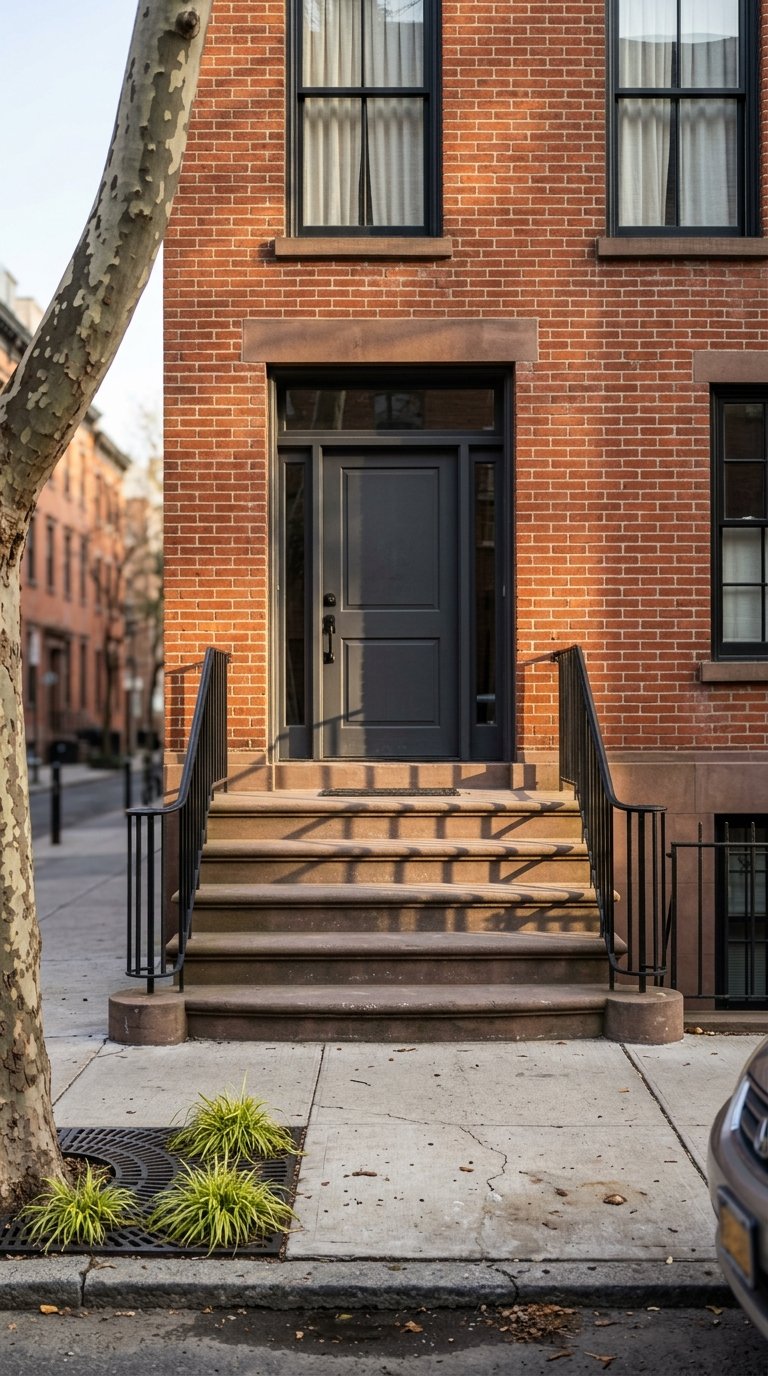
If you picture Manhattan living as a constant trade-off between convenience and character, the East Village challenges that idea. This is a neighborhood where daily life feels active, layered, and unmistakably local, whether you are walking past historic row-house blocks, grabbing coffee near St. Mark’s Place, or heading to a bus or subway stop on your way downtown or uptown. If you are considering a move here, understanding how the East Village actually functions block by block can help you choose the right fit. Let’s dive in.
What Everyday Life Feels Like
The East Village is a medium-density, mixed-use neighborhood in Manhattan Community District 3, with housing, retail, public facilities, and green space woven closely together. That mix gives the area a street-oriented rhythm, where errands, dining, and commuting often happen within a short walk.
In practical terms, you are not moving into a single, uniform neighborhood experience. The East Village is better understood as a set of overlapping micro-areas, where the feel of one block can shift quickly based on building type, transit access, and nearby commercial activity.
Housing in the East Village
Expect a mix of old and new
The housing stock here includes smaller multifamily apartment buildings, larger public housing developments, and a range of older and newer multifamily properties. In the broader East Village, Lower East Side, and Two Bridges study area, there are nearly 70,000 residents living in almost 26,000 dwelling units across about 600 buildings.
That density helps explain why the neighborhood feels busy and visually varied. You will see everything from narrow four-story walk-ups on side streets to larger apartment buildings and newer multifamily product in select pockets.
Historic blocks shape the streetscape
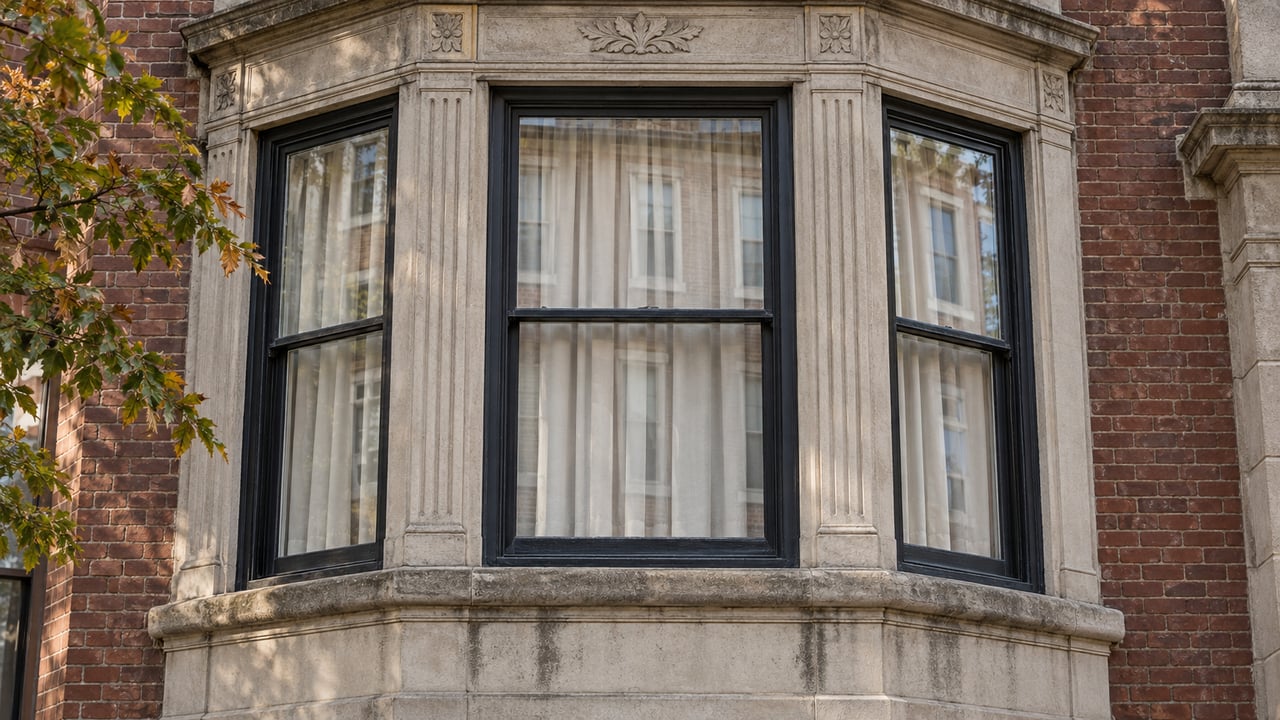
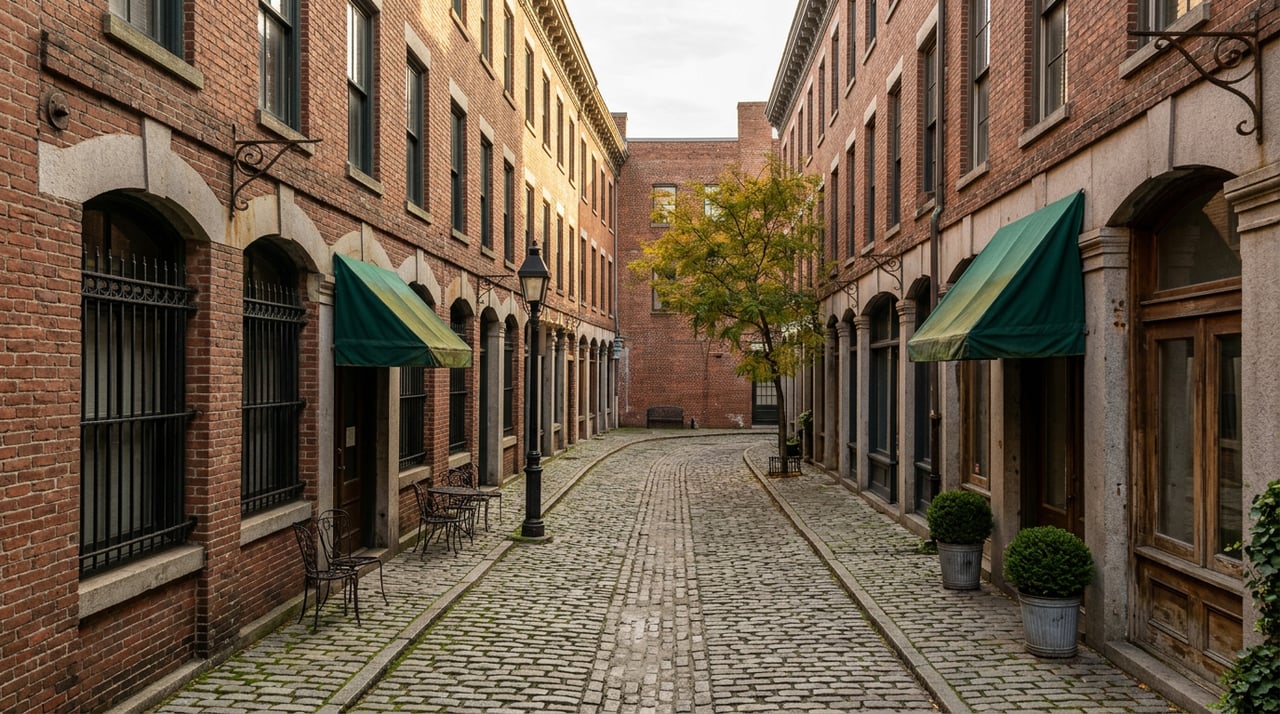
The East Village and Lower East Side Historic District preserves roughly 325 buildings and reflects the area’s evolution from early row houses to tenements and later apartment houses. On protected blocks, contextual zoning helps keep the scale relatively low- to mid-rise and preserves the older street wall character.
For you as a buyer or renter, that matters because the built environment affects the feel of daily life. Some blocks read as intimate and historic, while others feel more transitional or newly developed.
Block character matters most
One of the biggest decisions in the East Village is not just what home you choose, but where in the neighborhood you choose it. A classic walk-up on a narrow side street can offer a very different experience from a newer building on a busier corridor or a property closer to the river.
That is why housing searches here often come down to block character. The west side, middle sections, and eastern edge near the waterfront can each feel distinct in terms of access, activity, and building style.
Street Life and Local Culture
Creative energy is part of daily life
The East Village has a long-standing identity tied to creative culture, restaurants, cafés, nightlife, and independent retail. City assessments describe the neighborhood as one with rich history, diversity, and strong community identity, and that comes through in the storefronts and public-facing spaces you encounter every day.
This is not a neighborhood where culture is tucked away behind closed doors. It shows up directly in the streetscape, in long-running small businesses, arts spaces, and the steady pace of foot traffic throughout the day and evening.
St. Mark’s Place still sets a tone
St. Mark’s Place remains one of the clearest examples of the East Village’s identity. NYC DOT describes this three-block stretch as famous for capturing the neighborhood’s creative spirit, with clothing shops, tattoo shops, restaurants, and nightlife all packed into a compact corridor.
If you live nearby, that energy becomes part of your routine. Even if you are not there every day, it helps define the East Village as a place where activity and personality are visible at street level.
Arts and community are embedded locally
The neighborhood’s cultural life is not limited to one destination. Community and arts institutions such as the Fourth Arts Block, La MaMa, Nuyorican Poets Café, Performance Space New York, and the Ukrainian Museum are woven into everyday blocks.
That matters because it gives the East Village a lived-in cultural identity rather than a purely entertainment-driven one. For many residents, that blend of history, creativity, and local rhythm is a major part of the appeal.
Parks and Outdoor Space
Tompkins Square Park is a daily anchor
Tompkins Square Park is one of the neighborhood’s defining public spaces. NYC Parks lists it as a 10.5-acre park with fitness equipment, mapped trees, and ongoing capital improvements, including reconstruction work tied to the mini-pool, basketball courts, and adult fitness area.
It also supports a wide mix of day-to-day use. City sources describe it as a hub for community events, recreation, dog owners, skateboarders, sports, and farmers markets, which makes it feel like a true neighborhood anchor rather than a passive green backdrop.
Green space goes beyond one park
The East Village has a broader network of nearly 40 greenspaces, according to the city’s commercial district assessment. Community gardens are especially important here, and the city notes that New York City’s first community garden was established in the neighborhood in 1974.
That gives outdoor life in the East Village a different texture than you might expect in a dense Manhattan neighborhood. Pocket parks, gardens, and community-run spaces are part of everyday living, not just occasional amenities.
Waterfront access is improving
The East River waterfront is in the middle of a long resilience rebuild. Large sections of the new East River Park opened in 2025, and the park is being rebuilt 8 to 10 feet higher as part of broader flood protection efforts.
For residents, that means waterfront access is improving, but it is still shaped by ongoing climate-adaptation work and construction. If you are considering the eastern side of the neighborhood, it is worth thinking about how that evolving waterfront may affect your routine now and over time.
Transit and Getting Around
Subway access depends on your block
The East Village is very much a transit-first neighborhood, but subway convenience can vary more than many first-time shoppers expect. The 6 line stops at Astor Place, the F line serves 2 Av and nearby Broadway-Lafayette, and the L line reaches nearby 1 Av, 3 Av, and 14 St-Union Sq.
That gives many residents strong transit options, but not every apartment is equally close to a train. Depending on your block, your daily route may rely more on walking time or buses than on a quick subway entrance around the corner.
Buses play a bigger role than many expect
Bus service adds important east-west and north-south coverage through routes such as the M8, M14A/D-SBS, and M15-SBS. This matters especially in the eastern part of the neighborhood, including Avenues C and D, where city assessments note that subway access is less direct.
If you are new to the area, this is one of the biggest practical insights to understand. In the East Village, buses are not a backup plan. For many residents, they are a core part of everyday mobility.
The neighborhood supports car-free routines
The 14th Street Busway, made permanent in 2020, improved bus movement across 14th Street, with NYC DOT reporting bus speeds up as much as 24% and ridership up as much as 30%. In the broader Manhattan Community District 3 profile, 86.5% of commuters travel car-free and the average commute time is 30.1 minutes.
Those numbers reinforce how daily life here is structured around transit, walking, and street-level access. If you want a neighborhood where a car is central to your routine, the East Village may feel less natural than areas built around easier driving and parking patterns.
Who the East Village May Suit Best
The East Village tends to appeal to people who want walkability, dining, culture, and a neighborhood that feels active throughout the day. The concentration of businesses, pedestrians, bikes, deliveries, and nightlife creates a visible sense of motion that is part of the area’s identity.
For some buyers and renters, that is exactly the draw. For others, especially those looking for a quieter, lower-density routine, the experience may feel more intense than expected. That is why narrowing your search by micro-location can be just as important as narrowing it by budget or apartment type.
How to Search Smarter Here
If you are exploring the East Village, it helps to evaluate each option through a daily-life lens, not just a listing lens. A well-matched home here often comes down to how your block supports the routine you actually want.
As you compare properties, focus on a few basics:
- How far your apartment is from your preferred subway or bus route
- Whether the block feels quieter or more commercially active
- The difference between a classic walk-up and a newer multifamily building
- How close you want to be to Tompkins Square Park or the waterfront
- Whether you prefer a historic streetscape or a newer corridor feel
In a neighborhood this layered, small differences can shape your experience in a big way. The smartest search is usually the one that treats the East Village as several connected living environments rather than one simple label.
If you are weighing where the East Village fits into your Manhattan search, a precise, block-by-block strategy can save time and lead to a better outcome. Evan Roth brings a disciplined, neighborhood-focused approach to helping buyers, renters, and sellers navigate Manhattan with clarity and confidence.
FAQs
What is everyday living like in the East Village?
- Everyday living in the East Village is typically walkable, transit-focused, and active at street level, with a mix of housing, dining, retail, culture, and green space closely packed together.
What types of homes can you find in the East Village?
- You can find classic walk-up buildings, older apartment houses, larger multifamily developments, and some newer housing in select pockets, with the experience varying significantly by block.
How important is Tompkins Square Park to East Village residents?
- Tompkins Square Park is a major neighborhood anchor, offering recreation, fitness areas, community events, and day-to-day outdoor space that plays a central role in local life.
How easy is commuting from the East Village?
- Commuting is generally convenient, but access is block-specific, with subway service from the 6, F, and L lines and strong bus coverage that is especially important on the eastern side of the neighborhood.
What should buyers or renters compare when choosing an East Village block?
- Buyers and renters should compare block character, transit access, building type, proximity to parks or the waterfront, and how much street activity they want in their day-to-day environment.