You do not move to the Upper West Side for flash alone. You move there because daily life can feel unusually complete, with major parks, cultural landmarks, transit, and everyday errands woven into the same few avenues. If you are wondering whether this part of Manhattan offers the right mix of space, character, and convenience, this guide will help you understand what living here really feels like. Let’s dive in.
Why the Upper West Side Feels Livable
The Upper West Side sits within Manhattan Community District 7, stretching roughly from 59th to 110th Streets between Central Park West and the Hudson River. According to the community board, the area is defined by parks, cultural institutions, retail, restaurants, varied architecture, and easy access to transit. That combination helps explain why so many buyers and renters see it as a neighborhood built for long-term living.
There is also real scale here. The district had a 2020 Census population of 222,129, yet it still feels structured around daily routines rather than constant reinvention. The appeal is less about novelty and more about continuity, with familiar blocks, established institutions, and a rhythm that many New Yorkers find deeply comfortable.
Space Means More Than Square Footage
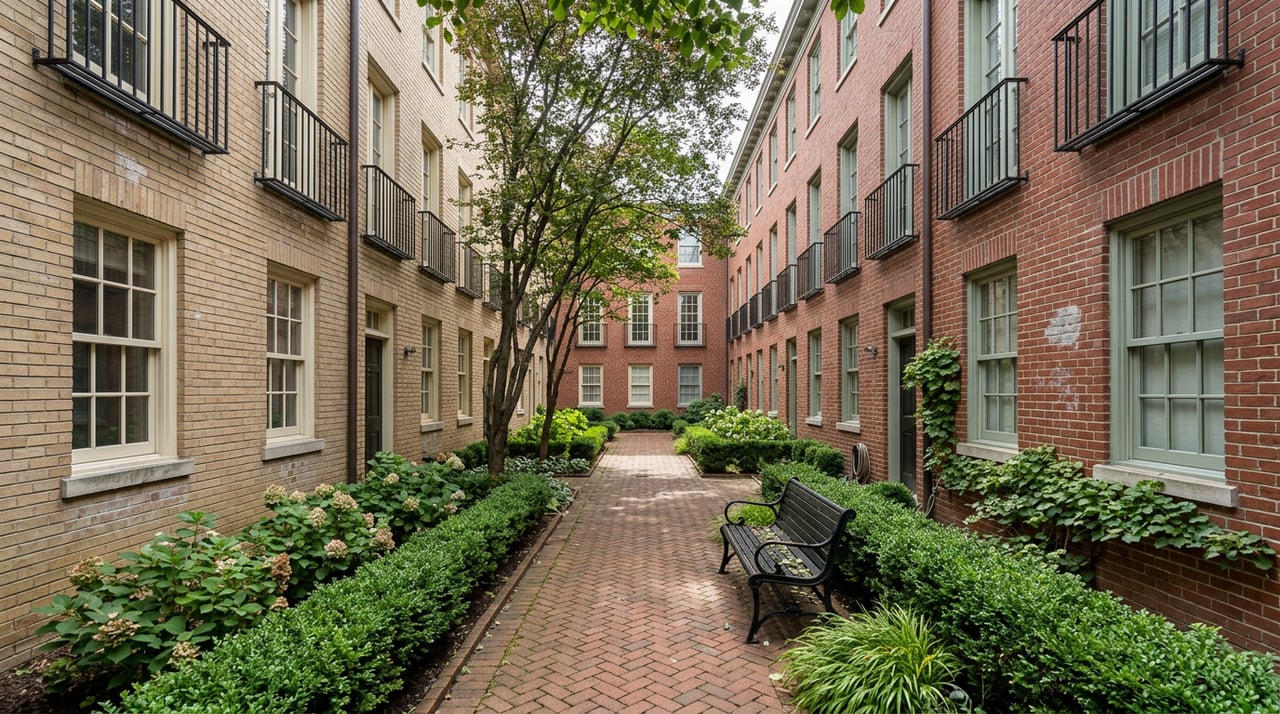
When people talk about space on the Upper West Side, they often mean more than the size of an apartment. They mean wider access to the outdoors, room to walk, and the ability to move through the neighborhood without feeling cut off from nature or culture. That is a major part of the lifestyle here.
NYC Health data shows neighborhood crowding at 3.9% in 2019 to 2023. While that does not mean every apartment is large, it supports the idea that the area can feel relatively spacious by Manhattan standards. For many residents, that sense of breathing room comes from the combination of residential blocks, parks, and a strong pedestrian experience.
Central Park Adds Daily Breathing Room
Central Park forms the eastern edge of much of the neighborhood, running from 59th to 110th Street between Fifth Avenue and Central Park West. The Central Park Conservancy notes that it cares for 843 acres, which gives nearby residents direct access to one of the city’s most significant open spaces.
This is not just a postcard feature. The Conservancy’s Upper West Side Tree Walk, a roughly one-mile self-guided route, shows how the park becomes part of ordinary life. You can step out for a short walk, a longer run, or a quiet hour outdoors without needing to make it a major event.
Riverside Park Brings a Different Pace
On the western edge, Riverside Park offers another kind of outdoor experience. Riverside Park Conservancy cares for six miles of parkland from 59th to 181st Street, and its public-facing features include dog runs, playgrounds, dining, active recreation areas, points of interest, and restrooms.
That matters because it shows how residents actually use the park day to day. Riverside Park is not just scenic. It supports routines, from morning exercise to after-work walks to weekend time outside.
Culture Is Part of the Neighborhood
The Upper West Side has a level of cultural access that shapes everyday life, not just special occasions. This is one of the area’s strongest advantages if you want a home base that connects you to the arts, history, and public institutions without leaving the neighborhood.
Lincoln Center sits between West 62nd and 65th Streets and anchors the southern portion of the area’s cultural identity. Nearby, the New York Public Library for the Performing Arts at 40 Lincoln Center Plaza holds one of the world’s most extensive research collections in theater, film, dance, music, and recorded sound.
The neighborhood also includes the American Museum of Natural History at 200 Central Park West. The community board further identifies the New-York Historical Society, Children’s Museum, Beacon Theatre, and Symphony Space as major points of interest. For residents, this means you are not choosing between a residential setting and a culturally rich one. You get both.
Why That Changes Daily Life
In some neighborhoods, culture is something you travel to. On the Upper West Side, it is often part of the weekly routine. A museum visit, a performance, a library stop, or a walk past a landmark institution can fit naturally into an ordinary day.
That rhythm can be especially appealing if you value a home that feels connected to the city’s long-standing cultural fabric. It also gives the neighborhood a sense of permanence that many buyers find reassuring.
Housing Has Character and Tradeoffs
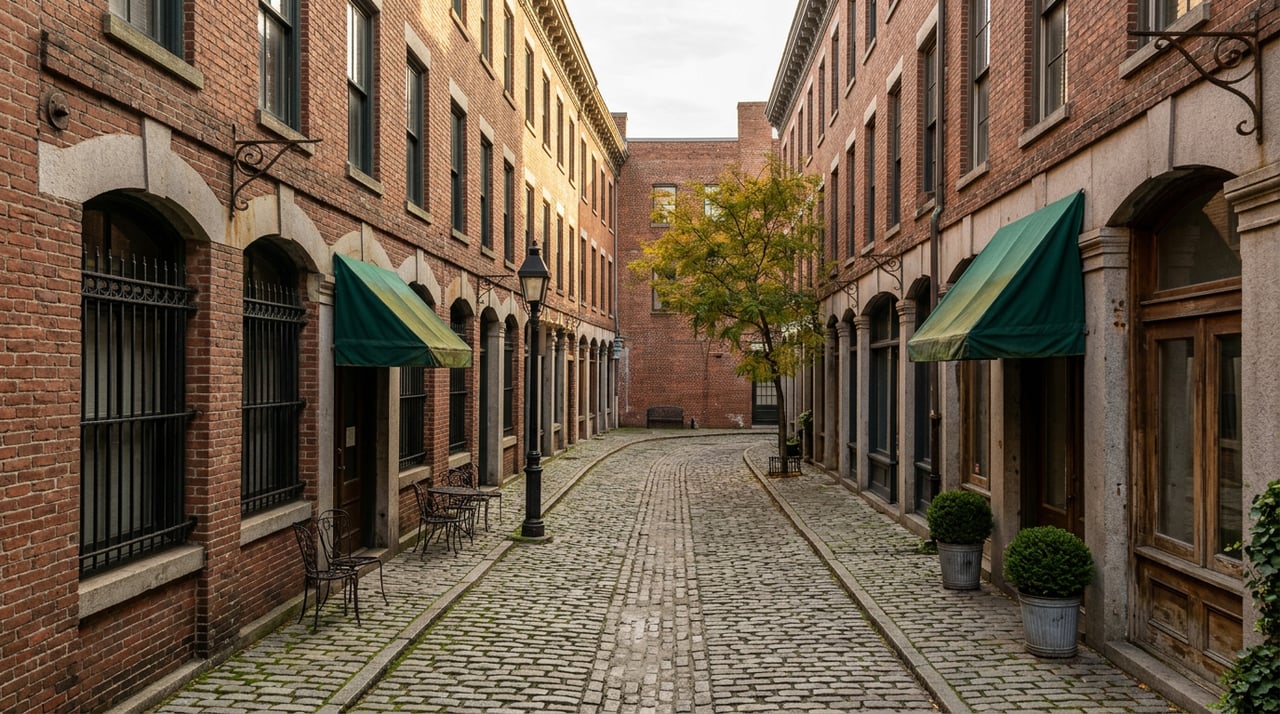
The Upper West Side is best understood as an older, landmarked apartment neighborhood with some newer condo product mixed in. The historic district designation and City Planning’s notes on building ages along Amsterdam and Columbus support that framing, while Broadway accommodates larger mixed-use development.
In practical terms, this means the neighborhood does not read as uniformly prewar or uniformly new. Instead, you will find a mix that often includes early-20th-century buildings, established co-op and condo inventory, and selective newer development.
Older Buildings Shape the Experience
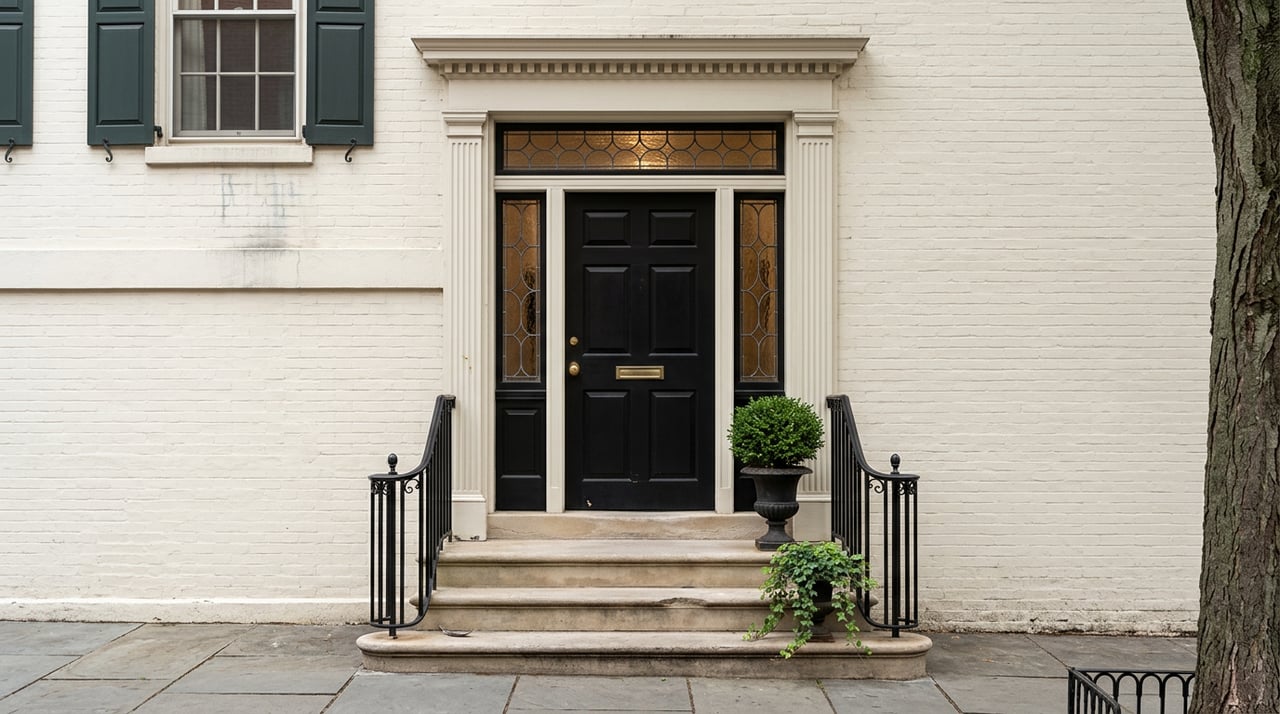
For many buyers, the Upper West Side’s architecture is part of the draw. The streetscape often reflects older apartment buildings and preserved neighborhood character rather than large waves of new construction. That can create a strong sense of place and visual consistency.
At the same time, older housing stock can come with maintenance realities. NYC Health’s neighborhood report recorded housing issues including 14.1% cracks, 14.9% leaks, and 14.3% supplemental heat use in 2017. If you are considering a purchase here, it is wise to appreciate both the charm and the upkeep that can come with older buildings.
New Supply Arrives Slowly
If you hope to focus only on newer options, it helps to know that fresh inventory appears gradually. Furman Center data shows 6,297 units in buildings with four or more units built between 2010 and 2025, with 82% market rate and 18% income-targeted. At the same time, 2025 figures show only 37 units authorized by new residential building permits and 166 certificates of occupancy.
The takeaway is straightforward. New homes do reach the neighborhood, but not in large waves. That supports the view that Upper West Side housing remains highly shaped by existing stock rather than rapid new development.
Co-ops, Condos, and Long-Term Fit
For many Manhattan buyers, the Upper West Side conversation often turns to co-ops versus condos. The safest way to think about it here is as a useful market shorthand rather than a strict count. The neighborhood still reads as a classic early-20th-century apartment district, while newer condo options appear more selectively.
That can be good news if you are looking for a home with architectural character and an established setting. It can also mean more competition when a well-positioned property comes to market. In a neighborhood where demand is supported by parks, culture, and convenience, strong homes often stand out quickly.
Furman Center reports a 2024 homeownership rate of 35.6% and a median gross rent of $2,780. Those figures help underline the area’s mix of owners and renters, while also showing how valuable this location remains within the broader city housing market.
Daily Convenience Is a Major Selling Point
A big reason people stay on the Upper West Side is that so much of life can happen close to home. The community board notes that public transportation is easily accessible via five major subway lines, four crosstown bus lines, and five north-south bus lines. That kind of network can make commuting, social plans, and cross-city movement much easier.
Lincoln Center also identifies nearby transit options including the 1 train at West 66th Street, service at Columbus Circle, and buses including the M5, M7, M10, M11, and M104. The MTA neighborhood map reinforces how closely spaced stations are along the West Side.
Errands Stay Local
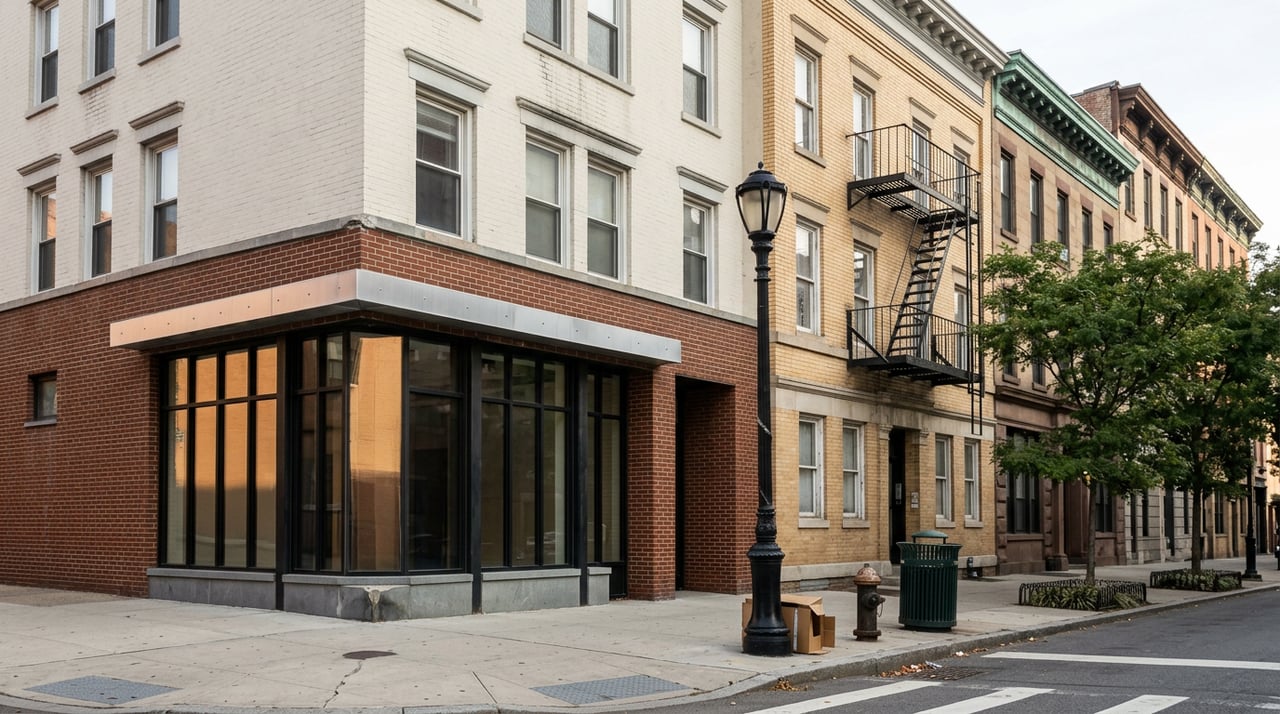
Retail on the Upper West Side is concentrated along Broadway, Amsterdam, and Columbus. City Planning describes the neighborhood as highly residential with limited commercial space, where those three corridors serve a large local population.
That setup shapes how the neighborhood functions. Amsterdam and Columbus feel more neighborhood-scaled, while Broadway supports larger retail and mixed-use development. For residents, that often translates to a practical routine where groceries, dining, services, and transit all sit within a familiar local circuit.
Streets Are Busy and Heavily Used
It is also worth understanding that this is a dense, active part of Manhattan. NYC DOT’s 2024 Smart Curbs program launched on the Upper West Side, which the agency described as one of the densest residential neighborhoods in the United States.
That detail speaks to how intensely the streets are used. Deliveries, loading activity, biking, buses, and general curb demand are part of the everyday picture here. For some residents, that energy is part of the neighborhood’s appeal. For others, it is a reminder to think carefully about block-by-block lifestyle preferences.
Who Often Loves Living Here
The Upper West Side tends to appeal to people who want a neighborhood that supports staying put. If you value a home near major parks, well-known cultural institutions, and strong transit access, the area offers a rare level of day-to-day convenience.
It can also be a strong fit if you appreciate architecture and established neighborhood character. Rather than selling a brand-new version of city life, the Upper West Side offers something more enduring. It feels rooted, walkable, and deeply integrated into Manhattan’s daily rhythm.
The Main Tradeoff to Understand
Every strong neighborhood has a tradeoff, and here it is fairly clear. The Upper West Side offers uncommon access to parks, arts institutions, and transit, but its housing is older, highly sought-after, and not especially abundant in new supply.
That tension is part of what gives the area its lasting appeal. You are often choosing character, continuity, and location over sheer novelty. For many buyers and renters, that is exactly the point.
If you are weighing whether the Upper West Side fits your next move, the best approach is to look beyond broad reputation and focus on how you want your day to feel. If your ideal Manhattan routine includes park access, cultural depth, neighborhood errands, and a home within a well-established residential setting, this part of the city makes a compelling case. When you are ready to explore co-ops, condos, rentals, or a strategic sale in the neighborhood, Evan Roth can help you move with clarity and confidence.
FAQs
What is the Upper West Side known for as a place to live?
- The Upper West Side is known for its combination of major parks, cultural institutions, transit access, neighborhood retail corridors, and a largely established apartment-house streetscape.
What kind of housing is common on the Upper West Side?
- The neighborhood is best described as an older, landmarked apartment district with a mix of established co-op and condo inventory and some newer condo development arriving incrementally.
Does the Upper West Side feel spacious for Manhattan?
- It can feel relatively spacious by Manhattan standards because of low reported crowding, wide access to Central Park and Riverside Park, and a residential layout built around daily walking and outdoor use.
Is the Upper West Side good for long-term living?
- The research supports that view, with the neighborhood offering continuity, strong transit, embedded cultural amenities, and everyday convenience that many residents value over the long term.
How easy is it to get around from the Upper West Side?
- The area has dense transit access, including five major subway lines, multiple crosstown bus lines, and several north-south bus routes, which makes local and cross-city travel relatively convenient.
Are there many new condos on the Upper West Side?
- New condo supply exists, but it appears selectively rather than in large waves, with modest recent permit and certificate-of-occupancy counts suggesting gradual additions to inventory.