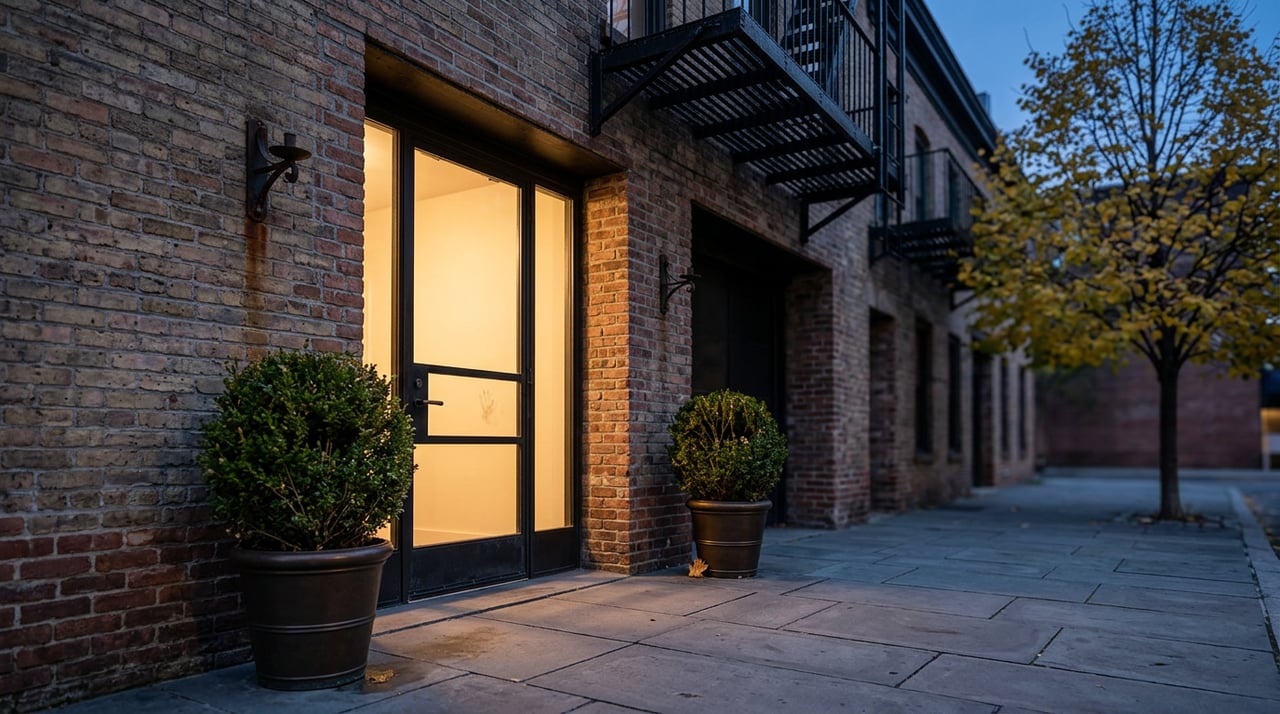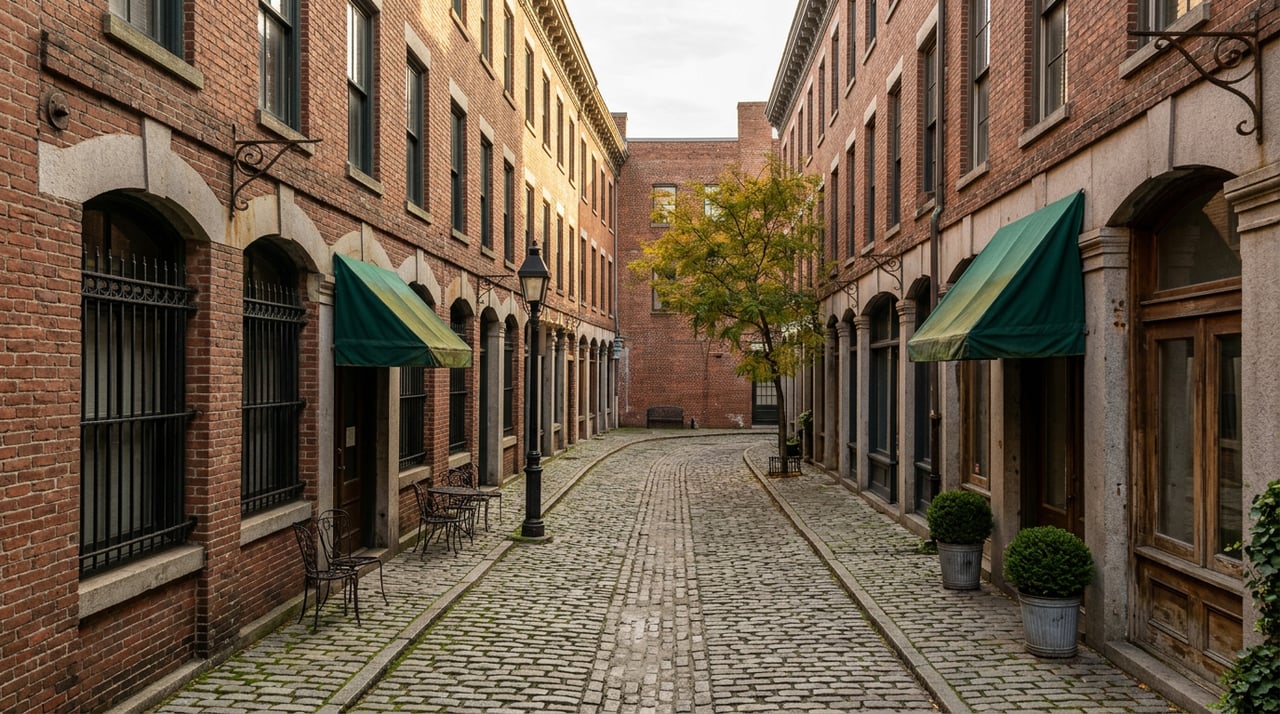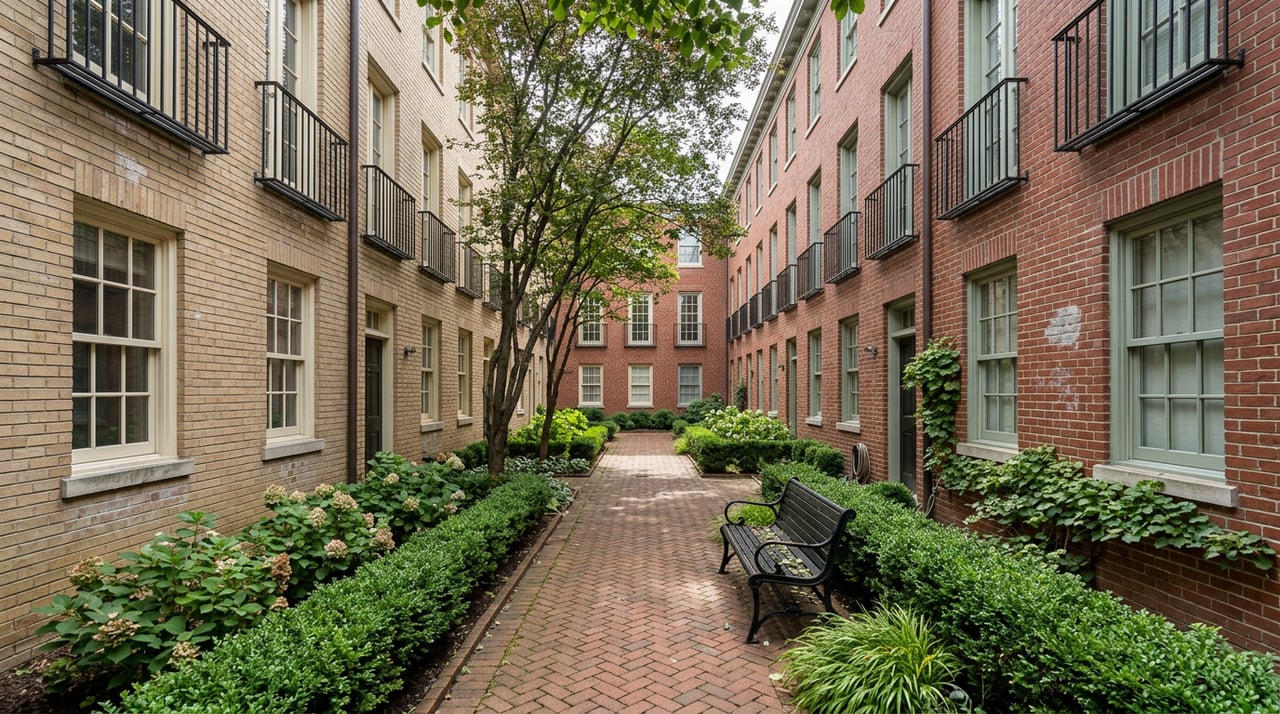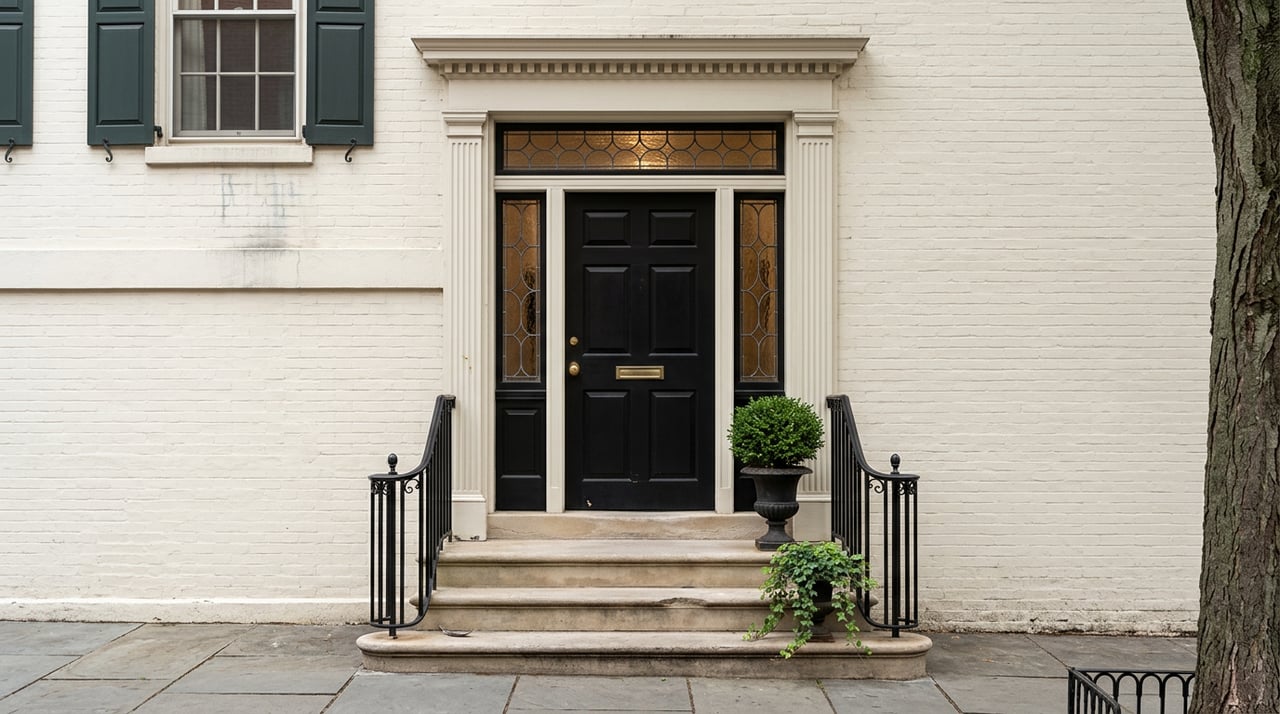
Walk five blocks of Hudson Street on a Saturday in August and you can count four storefronts that were something else, or nothing, a year ago. Bedford Street tells the same story on a smaller scale. This is not a neighborhood being rewritten by outside capital or a new hotel group looking for a downtown flag. It is being rewritten by a short list of operators who already live here professionally, taking adjacent leases and calling them the next project.
That is the pattern worth naming. The 2026 West Village opening slate reads like a roundup only until you look at the names on the paperwork. Then it looks like four or five hospitality groups quietly compounding, each one turning a single hit into a small block-level portfolio. If you have been eating in this neighborhood for more than two years, the faces behind the counters are people you have already given money to.
Hudson Street is the spine
Start with the addresses. Cleo, a rotisserie concept from Three Top Hospitality, opened on April 17, 2026 at 621 Hudson Street. The team behind it, Halley Chambers and Kip Gleize, already run Margot and Montague Diner. Cleo's kitchen is led by chef Juliana Latif, and the menu is anchored by a 24-hour marinated rotisserie chicken served with zhug, labneh ranch, and a spicy red sauce. The room seats 34, with terrazzo floors, wood, steel, and glass, and the ownership has signaled outdoor seating and a takeout window as phase two.
A five-minute walk north, Mary's Fish Camp is back. Mary Redding closed the original at 64 Charles Street in April 2024 after more than 20 years, and has since signed a lease at 626 Hudson Street at Jane Street. The menu remains what it always was: conch chowder, lobster rolls, chalkboard specials that read like a fish market inventory. Sarah Jessica Parker publicly volunteered to help when the reopening was announced, which tells you something about how the neighborhood registered the closure in the first place.
One block east, at 34 8th Avenue, Keepers opened on July 29, 2026. It is a 40-seat bar and thin-crust pizza room from Will Makris and Eytan Sugarman, the team behind Dandelion, which itself opened only in late 2025. Makris is a Zero Bond co-founder. Sugarman's portfolio includes White Horse Tavern. The pies lean tavern-style, with a Chicagoland option carrying sausage and giardiniera and a Shore Thing topped with crab.
Three openings, three operators, three addresses inside a quarter-mile radius. None of them are debuts. All of them are second or third moves inside a footprint their principals were already building.
The operator map
| Group | West Village address | Concept | Timing |
|---|---|---|---|
| Three Top Hospitality (Margot, Montague Diner) | 621 Hudson St | Cleo, rotisserie | Opened April 17, 2026 |
| Makris / Sugarman (Dandelion, White Horse Tavern legacy) | 34 8th Ave | Keepers, bar pies | Opened July 29, 2026 |
| Mary Redding | 626 Hudson St at Jane | Mary's Fish Camp return | Summer 2026, pending NYSLA |
| Zimmi's team | Bedford Street, next door to Zimmi's | Cafe with small plates, wine, pastries | 2026 |
| The Noortwyck team | Nolita (Oriana) | Live-fire American | 2026, extension of West Village base |
The table is not a roundup. It is the argument. Every row is an operator with West Village tenure using an adjacent lease as a growth strategy. Oriana lands in Nolita, but it comes from The Noortwyck's kitchen on Cornelia Street. The gravitational center is here.
Bedford Street's next-door habit
Zimmi's, a Southern French bistro, opened about a year ago on Bedford Street. The team's next project is a cafe next door, built around small plates, an extensive wine program, and sweet and savory pastries. This is a specific architectural choice more than a menu choice. Rather than treat a successful restaurant as a beachhead for a second neighborhood, Zimmi's is deepening on its own block.
That instinct shows up again a few streets over. Mắm, the Vietnamese restaurant, is launching a bánh mì-focused sister concept next door with a full coffee program. The pattern is the same: don't expand across the map, expand across the wall.
For a resident, this changes how you read a storefront. A new tenant on Bedford or Cornelia is now more likely than not to be a known operator laying in a second concept than a stranger betting on the neighborhood cold.
The specialists filling the gaps between dinners
The smaller openings tell you what the bigger ones assume: a customer base that already walks Hudson at 4 p.m. looking for something specific.
Nepita, the West Village gelato shop, draws on Corsican and Mediterranean flavors. Past pop-up flavors have included wild mint, acorn squash with brown butter, and clementine. Richaud Petite Bakery, from a Paris-trained baker, is filling what The Infatuation called a real gap in the city for jambon beurre. Birdie's, a fro-yo shop, opened as part of what the same publication described as an official fro-yo renaissance. Myka, a Madrid-born frozen yogurt brand, opened West Village, Union Square, and Midtown locations inside a two-month window and now runs a Hudson Yards truck as well.
These are not neighborhood-agnostic concepts looking for foot traffic. They are afternoon and late-night propositions from operators who priced their leases against a specific demographic pattern the block has been producing for years.
What Saturday actually looks like now
Put the pieces together and a resident's weekend map has shifted in specific ways since spring.
- Lunch on Hudson: Cleo for rotisserie, Mary's Fish Camp for a lobster roll two blocks up.
- Afternoon: Nepita for gelato, Richaud Petite for a jambon beurre to take home, Birdie's or a Myka pour if fro-yo is the mood.
- Evening: Keepers on 8th Avenue for a pie and a highball, Zimmi's or its incoming next-door cafe for a slower wine service, Le Chêne if the reservation gods have been kind.
None of that itinerary existed in the same form 18 months ago. Half of the rooms did not exist at all.
"It's quite a bit of surgery," said Robert Fuller, a principal at Gensler, describing the Midtown office-to-residential conversions reshaping the other end of the island. The West Village is running the opposite play: not surgery, but grafting. New concepts stitched onto the block by operators who already know the block's pulse.
Why this matters for the block you already live on
For a homeowner, the compounding-operator pattern has second-order effects worth watching.
The first is retail stability. When a proven group takes an adjacent lease, the landlord has a shorter path to underwriting the next tenant. The block turns over less randomly. That is a quieter feature of a neighborhood than a Michelin nod, but it is the feature that keeps a corner from cycling through a barre studio, a CBD shop, and a ghost kitchen inside 36 months.
The second is what the leasing pattern tells you about resident behavior. Operators do not open a second location next door because they think foot traffic is thin. They do it because the same customers are walking past twice a day. That is a signal about who is home in the middle of the week, and it is a signal that has held up through the post-2020 reshuffle of downtown Manhattan.
The third is more subjective. When a neighborhood's opening slate is dominated by operators the residents already know, the friction of trying a new place goes down. Mary Redding's return is not a debut. Keepers is a Dandelion follow-up. Cleo shares DNA with Margot. The reader who lives here is being asked to try something familiar, not something foreign, and the openings are being priced and staffed accordingly.
The read on the summer
The West Village's 2026 wave is not a story about a hot neighborhood attracting new money. It is a story about proven operators betting harder on the same three or four blocks, and about a residential base steady enough to reward that bet. The map is being drawn by people who already know which corner catches the afternoon sun and which side of Hudson stays quiet after 10.
If you have lived here for a decade, the new signs above the doors are less surprising than the sequence of who put them there. If you have lived here for a year, the pattern is the fastest way to learn whose next opening to trust before the reviews land.
For residents thinking about the long arc, whether that means holding a co-op, trading up inside the neighborhood, or evaluating what a Bedford Street versus Hudson Street address actually delivers day to day, Evan Roth offers a private consultation grounded in the same block-level detail this post is built from. Schedule a Private Consultation to talk through what the current cycle means for your specific corner of the West Village.