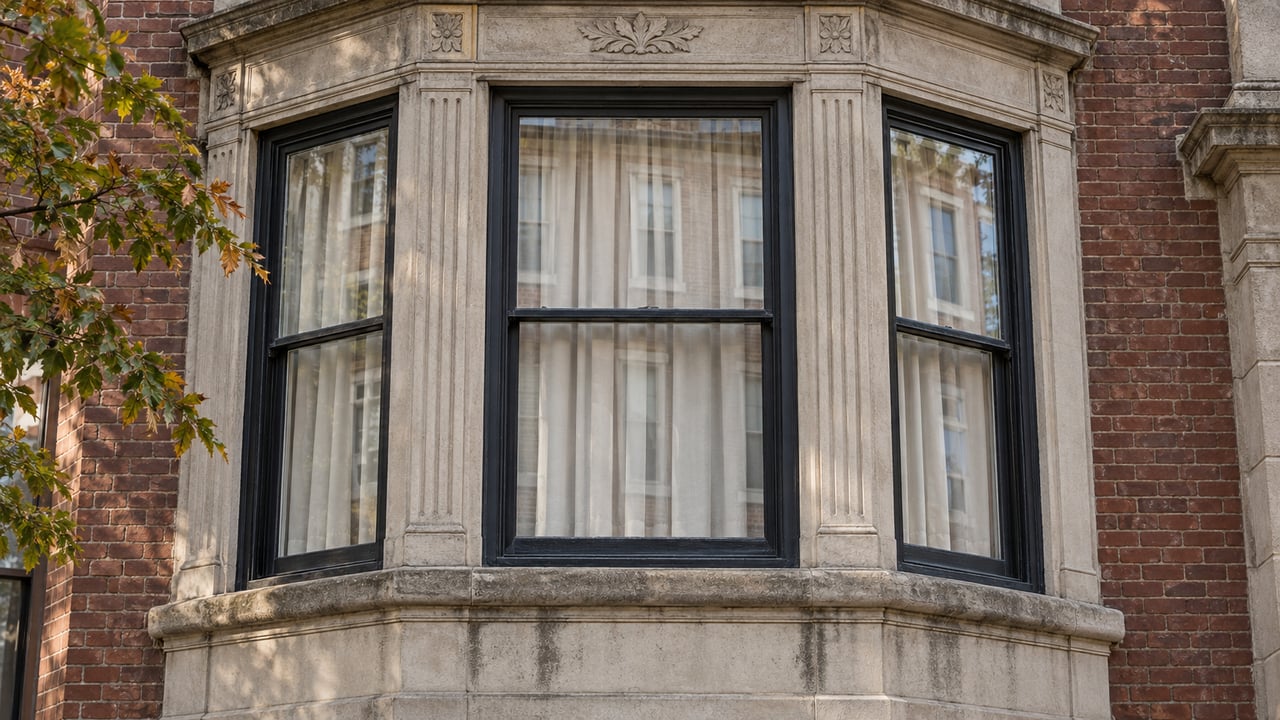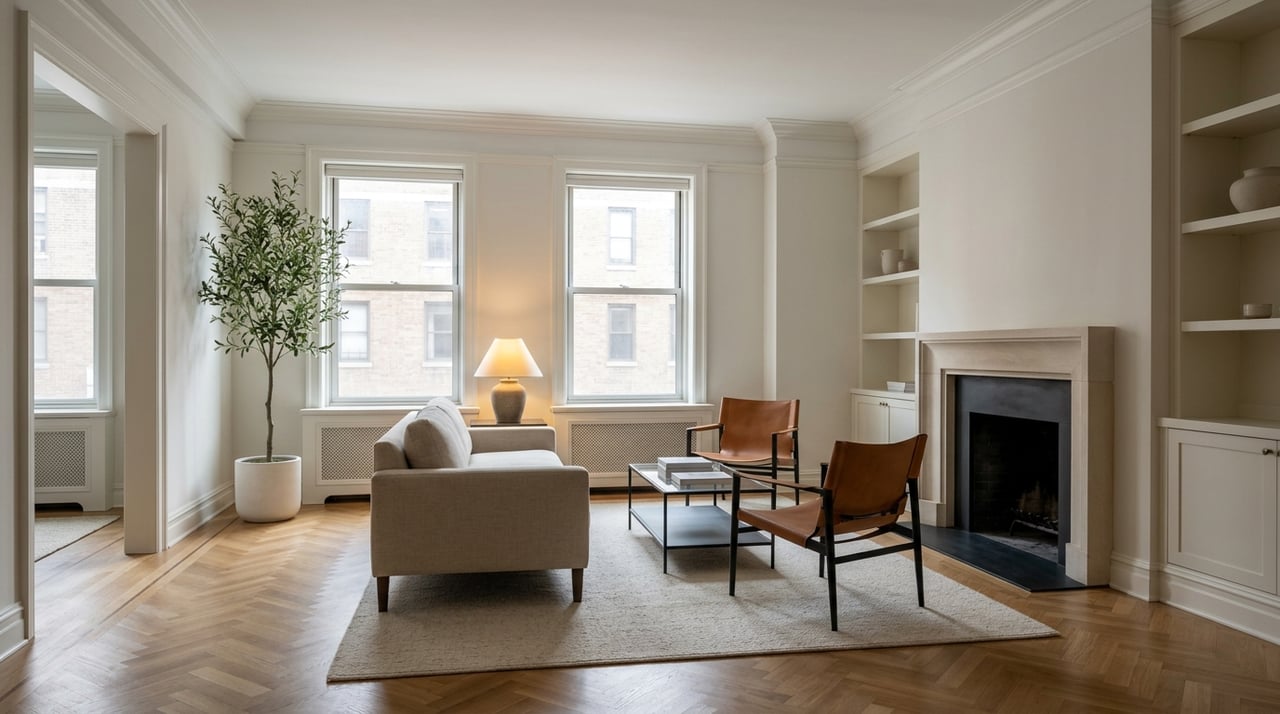
When you prepare an Upper East Side classic six for sale, you are not just listing square footage. You are presenting a type of home that still stands apart in Manhattan for its scale, privacy, and architectural character. In a market where buyers can compare prewar co-ops with newer condos in minutes, the homes that feel polished, legible, and well positioned tend to make the strongest impression. Here is how to get your classic six ready for the market with a strategy that respects what makes it special.
Why presentation matters on the Upper East Side
The Upper East Side continues to be shaped by a mix of older co-ops and newer high-rises, but prewar homes remain central to the borough's resale market. StreetEasy notes that 56% of Manhattan's new inventory in 2025 came from prewar buildings, which helps explain why buyers here are still very comfortable evaluating older homes when they are presented well.
At the same time, buyers have options. In Manhattan's 1Q26 sales report, median resale pricing for co-ops and condos reached $1.225 million, inventory stood at 6,164 units, and months of supply was 7.0. Corcoran also reported that the Upper East Side posted a 3% year-over-year increase in signed contracts in February 2026 while other Manhattan submarkets declined, which points to active demand in the neighborhood.
That combination matters if you are selling a classic six. Demand exists, but buyers can be selective, so your apartment needs to feel both timeless and ready.
What buyers love about a classic six
A classic six usually includes two bedrooms, a living room, a formal dining room, a kitchen, and a maid's room or office. On the Upper East Side, this layout is closely tied to prewar co-op living and often comes with hardwood floors, moldings, high ceilings, thick walls, solid doors, and generous closets.
For many buyers, the appeal is not only charm. It is function. Defined rooms can offer more privacy than an open-plan layout, and the extra room often works well as an office, guest room, or flexible overflow space.
That is an important distinction when you prepare the apartment for market. You do not want to make a classic six feel like it is trying to imitate a new condo. You want buyers to immediately understand why this layout still works so well for modern life.
Start with selective updates
The best pre-listing work is usually focused and disciplined. In most classic sixes, the goal is not to erase the apartment's age. The goal is to remove distractions so the original architecture and proportions read clearly in photos and during showings.
That often means addressing tired surfaces first. Fresh paint, cleaned or refinished floors, repaired hardware, and updated lighting can help the home feel brighter and more cared for without competing with its prewar details.
This approach also aligns with how buyers tend to respond to staged homes. NAR's 2025 staging profile found that 29% of agents saw a 1% to 10% increase in the dollar value offered after staging, 49% reported faster sales, and 83% said staging helped buyers visualize the home as their future property.
Prioritize the rooms that shape first impressions
Not every room needs the same level of attention. According to NAR, the living room, primary bedroom, and kitchen are the spaces buyers care about most. In a classic six, those rooms often set the tone for the entire apartment.
Start with the living room. This is where scale, ceiling height, moldings, and flow tend to register first. Edit the furniture so the room feels balanced and easy to read, and make sure conversation areas feel intentional rather than crowded.
In the primary bedroom, focus on calm and proportion. Buyers should be able to understand where the bed sits, how circulation works, and how much additional space the room offers.
In the kitchen, clarity matters more than over-styling. Clean counters, strong lighting, and a simplified visual field help buyers focus on function rather than deferred maintenance or clutter.
Declutter with restraint, not sterility
Classic sixes often have beautiful architectural details, but they can also feel visually busy if too much furniture, art, or personal material competes with the room itself. The answer is not to strip the apartment of personality. It is to edit it carefully.
NAR's staging and photography guidance recommends clearing clutter from surfaces, opening curtains and blinds, making beds, removing pet items, and tucking away personal photos before a shoot. In a prewar apartment, that kind of editing helps buyers see moldings, flooring, doorways, and room proportions more clearly.
Try to keep each room anchored by one obvious purpose. If the dining room is also functioning as storage, office, and play space, buyers may miss its scale. A cleaner setup helps the apartment feel larger and more coherent.
Define the maid's room or office clearly
One of the most important rooms in a classic six is often the smallest one. Buyers frequently ask how the maid's room can be used, and that question is worth answering visually before they even ask it.
Mansion Global notes that this room can serve as a third bedroom, office, or guest room. That flexibility is valuable, especially for buyers who want a closed-door workspace or occasional sleeping area.
The key is to choose one primary use for marketing. If you stage it as a home office, make it read as a real office. If you position it as a guest room, make the layout feel practical and comfortable. Ambiguity tends to weaken impact.
Prepare for photos like they are the first showing
For many buyers, online photos are the first meaningful visit. NAR reports that 52% of buyers found the home they purchased online, and nearly half began their search there. That means your photo presentation is not a side detail. It is core to your launch strategy.
Photo prep should be methodical. Realtor.com's guidance recommends a tidy home, open curtains and blinds, horizontal images, a room-by-room shot list, and a natural perspective that helps buyers understand the property accurately.
For occupied homes, it also helps to plan around the shoot. If possible, step out for a few hours, reduce visible daily-use items, and make sure every room is fully photo-ready at once. In a classic six, continuity matters because buyers are responding to sequence and flow as much as to individual rooms.
Build a narrative around livability
A strong classic six listing should tell a clear story. Buyers need to understand not just what the apartment has, but how it lives.
The best narratives usually highlight several core ideas: formal entertaining rooms, strong separation between public and private spaces, flexible bonus space, and preserved prewar details. This helps frame the apartment as a gracious home that supports current habits while offering a scale and privacy that newer layouts sometimes lack.
That narrative is especially useful on the Upper East Side, where buyers may be comparing your home with newer condos. Instead of apologizing for what a classic six is not, your marketing should make the strengths unmistakable.
Position against newer condos the right way
Newer condos often compete on amenities and turnkey presentation. A classic six competes differently. Its value proposition is usually rooted in room count, scale, architectural detail, and the experience of closed-door living.
Mansion Global notes that classic sixes are known for defined rooms, privacy, high ceilings, and features like galleries, fireplaces, and terraces when available. For buyers who work from home or simply want better room separation, those qualities can be highly compelling.
Monthly carrying costs can also enter the conversation. Manhattan 1Q26 data showed average co-op maintenance at $3,007, while average condo common charges plus real estate taxes reached $4,559. Buyers often weigh both lifestyle and monthly cost, so a well-prepared classic six can compare favorably when its character and utility are presented clearly.
Get co-op materials organized early
For an Upper East Side classic six, apartment readiness is only part of the equation. Building readiness matters too.
The New York State Attorney General explains that co-op buyers purchase shares in a corporation tied to a proprietary lease and pay maintenance based on shares. Its guidance also points buyers toward building financial reports, board minutes, and violation history when evaluating existing co-ops.
As a seller, you can benefit from anticipating that scrutiny. When building information is organized early, buyers often feel more confident about the process and the building's condition. That confidence can be especially important when they are comparing a prewar co-op with a newer condo that may seem simpler on the surface.
A smart launch protects value
The strongest Upper East Side classic six listings rarely succeed by accident. They succeed because the seller presents the apartment with discipline, highlights the right features, and gives buyers a clear reason to care.
If you are preparing to sell, the goal is not to modernize away the apartment's identity. It is to reveal the version of the home that buyers already want to find: gracious, functional, well maintained, and easy to understand from the first photo through the first showing.
That is where a narrative-driven launch can make a real difference. For tailored guidance on positioning, presentation, and marketing your Upper East Side classic six, connect with Evan Roth.
FAQs
What is a classic six apartment on the Upper East Side?
- A classic six is typically a prewar apartment with six main rooms, usually two bedrooms, a living room, a formal dining room, a kitchen, and a maid's room or office.
How should you stage an Upper East Side classic six before listing?
- Focus first on the living room, primary bedroom, and kitchen, then declutter, simplify furniture layouts, and define flexible rooms with a clear purpose.
What updates matter most before selling a classic six co-op?
- Low-disruption improvements like fresh paint, floor cleaning or refinishing, repaired hardware, and better lighting usually help the apartment show well without losing its original character.
How can you market the maid's room in a classic six?
- Position it as one clear use, such as a home office, guest room, or third sleeping area, so buyers can quickly understand its value.
Why do photos matter so much for an Upper East Side listing?
- Many buyers begin online, so strong photos help them understand the apartment's layout, scale, light, and flow before they ever schedule a showing.
What co-op documents should sellers prepare early?
- Buyers often want to understand building governance and condition, so organized financials, board materials, and other building-related information can help the process feel smoother and more credible.