If you are considering a Tribeca condo as a long-term investment, the headline numbers only tell part of the story. This is one of Manhattan’s most expensive and supply-constrained neighborhoods, but not every unit performs the same way over time. The real opportunity often comes down to building quality, line selection, rental potential, and future resale appeal. Let’s break down what you should evaluate before you buy.
Tribeca's long-term investment case
Tribeca has shown durable pricing over time, even by Manhattan luxury standards. According to PropertyShark’s neighborhood data, the neighborhood crossed the $3 million median sale threshold in 2015, and its February 2026 snapshot placed the median sale price at $4.0 million, with condo median sale price at $4.4 million.
That said, Tribeca is a relatively low-volume market. The same February 2026 snapshot recorded just 30 transactions, which means monthly pricing can move around quickly. If you are evaluating long-term value, it is smarter to focus on rolling trends and broader time horizons rather than one strong or weak month.
A useful long-run proxy is the SoHo/TriBeCa condo market. In Douglas Elliman and Miller Samuel’s 10-year survey, SoHo/TriBeCa condos posted a 2024 average sales price of $4.44 million, a median sales price of $3.44 million, and an average price per square foot of $2,169. Compared with 2015, that represented gains of 13.9% in average price, 11.0% in median price, and 6.6% in price per square foot.
Why supply matters in Tribeca
One reason Tribeca has held value so well is that new supply tends to be limited and highly controlled. The neighborhood’s built form is shaped by zoning, historic districts, and approvals that make large-scale change harder to execute than in many other markets.
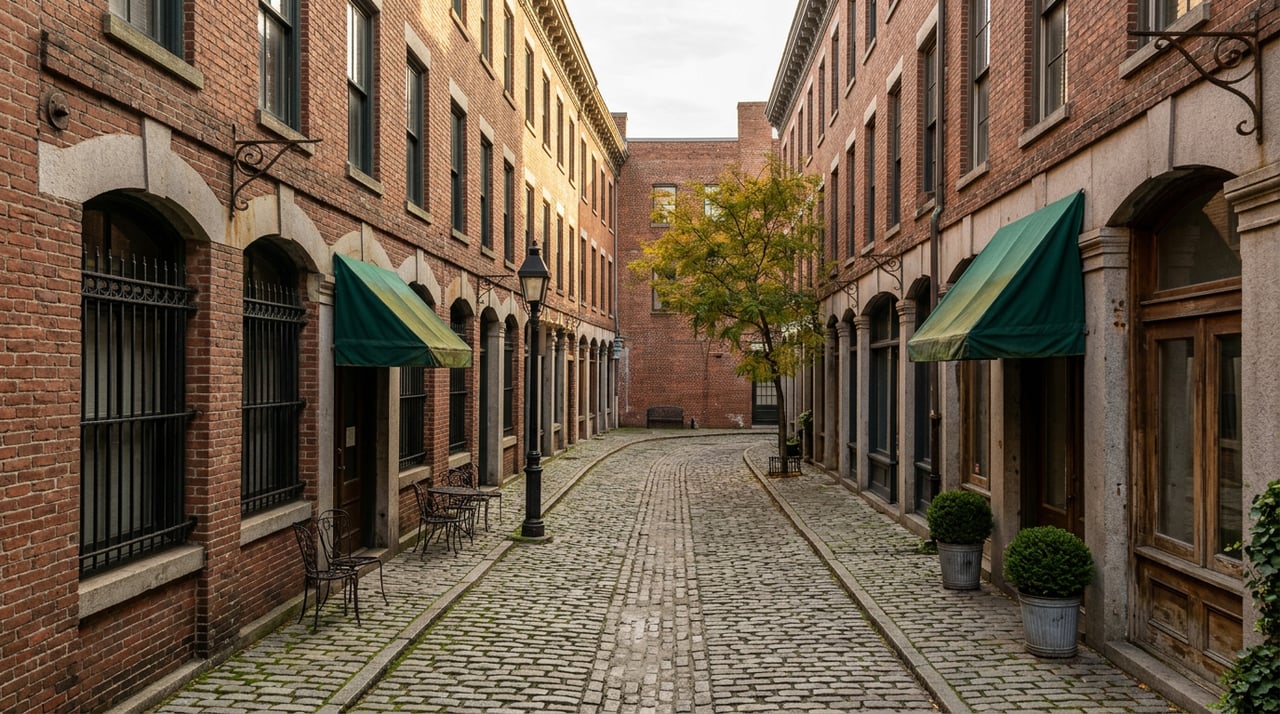
The 1994 Tribeca rezoning report notes that the Tribeca West, Tribeca East, and Tribeca South historic districts encompass 28 blocks in the rezoning area. It also explains that contextual districts were designed to reinforce existing building character, including street walls and maximum heights generally in the 60- to 85-foot range.
Historic district oversight adds another layer. According to the Landmarks Preservation Commission, buildings in historic districts typically require permits for most exterior changes, and new construction or demolition must be approved. That does not stop development, but it does tend to slow the process and keep it more selective.
For buyers, that matters because future inventory is often boutique rather than large-scale. A late-2025 CityRealty roundup highlighted projects such as 32 Walker, 88 White Street, 101 Franklin, 139 Franklin, and 143 Franklin, many of them small conversions or infill developments. In other words, new competition tends to arrive one building at a time.
This local scarcity also sits within a Manhattan market that was not broadly oversupplied. Miller Samuel’s 4Q25 Manhattan brief reported 6,257 condo and co-op listings with 7.0 months of supply. For a long-term investor, that combination of neighborhood scarcity and controlled future pipeline is an important part of the thesis.
Focus on the building, not just the neighborhood
A strong neighborhood does not automatically make every condo a strong long-term hold. In Tribeca, the spread between a top-tier line and an average one can be significant, even within the same building.
This is where many buyers make the wrong comparison. They look at neighborhood median pricing and assume any well-located condo will follow the same path. In reality, building-level and line-level traits often drive appreciation, liquidity, and rental appeal.
According to PropertyShark’s market trends framework for Tribeca, some of the most useful public comparisons include a building’s resale price per square foot versus the neighborhood median, the building’s own trade history, days on market, list-to-sale spread, rental ask versus purchase price, floor level, ceiling height, and whether the property sits near a likely development site.
Evaluate line quality first
When you are buying for the long term, line selection deserves as much attention as the building itself. Two apartments with the same square footage can have very different resale outcomes based on height, light, exposure, and privacy.
Floor height and views
Height is one of the clearest value drivers in Manhattan. A CTBUH study on Manhattan skyscraper economics estimated a height premium of about 0.93% per floor, which implies a meaningful difference for a unit that sits 10 floors above another in the same building.
The practical takeaway is straightforward. Upper-floor units with protected skyline, river, or open-sky views tend to be more resilient over time than lower-floor or obstructed units. If you are comparing two similar condos, the one with stronger light and a more protected outlook is often the more durable asset.
Ceiling height and volume
Ceiling height also plays an important role in buyer demand. NYC Planning materials specifically note market demand for residential units with higher ceiling heights.
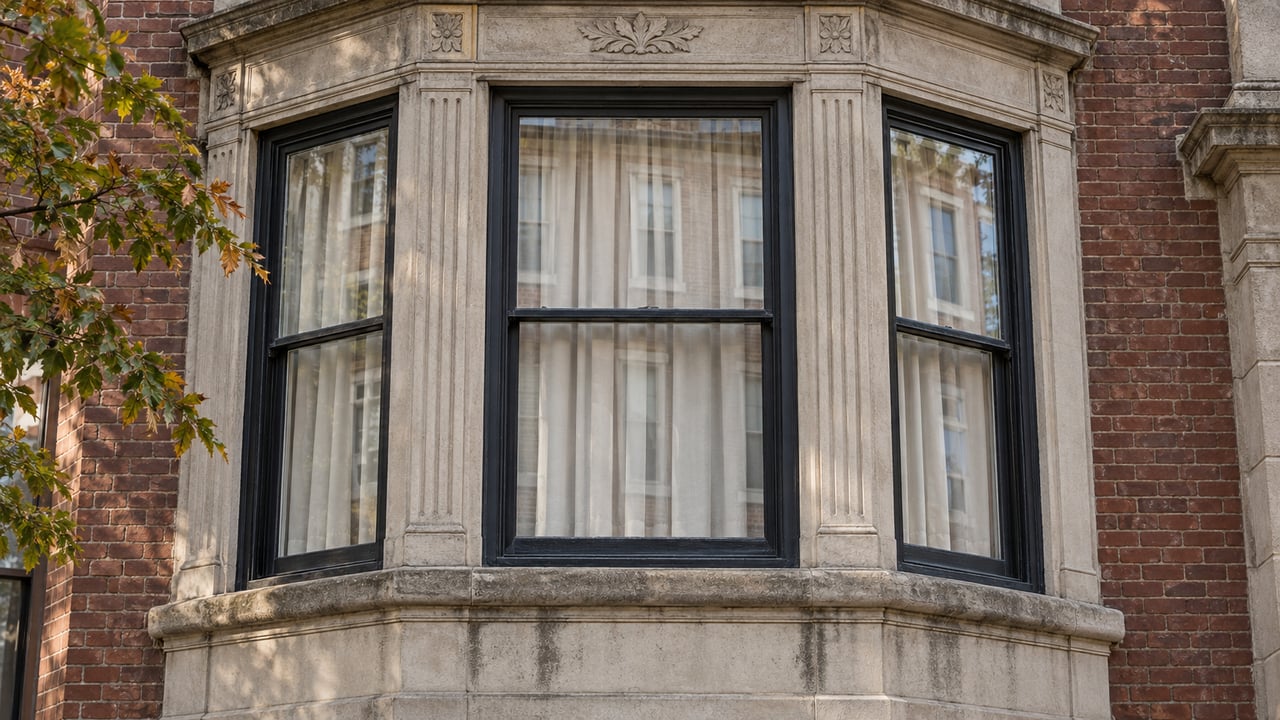
That point carries extra weight in Tribeca because so much of the neighborhood’s housing stock is loft or loft-adjacent. High ceilings, oversized windows, and a sense of volume are not just aesthetic perks here. They are often part of what defines the product and supports long-term buyer interest.
Exposure and privacy
Corner exposure, fewer adjacent neighbors, and better separation from traffic can all improve long-term performance. The official Tribeca rezoning record describes some corridors, including parts of Broadway and Chambers Street, as prominent or heavily used. That means two similar condos may trade differently based on whether they face a busier avenue, a quieter side street, or a more insulated interior orientation.
If you are choosing between lines, it often makes sense to favor the unit with better light, less direct noise exposure, and lower risk of future obstruction.
Understand rental demand and carrying costs
Even if you are buying primarily for appreciation, rental flexibility still matters. Life changes, markets shift, and a condo that can rent well gives you more options.
Tribeca remains one of Manhattan’s strongest rental markets at the high end. StreetEasy’s 2025 year-in-review ranked Tribeca as Manhattan’s most expensive rental neighborhood, with a median asking rent of $7,900. It also ranked among the city’s most-searched rental areas, which points to strong visibility and consistent demand.
That demand was reinforced by Corcoran’s February 2025 Manhattan rental report, which found that SoHo/TriBeCa had the largest rent increase in the borough and the second-lowest vacancy rate in Manhattan. Limited availability appears to be a major reason.
Still, high rents do not automatically mean strong cash flow. In Tribeca, purchase prices are also high, so your analysis should include:
- Common charges
- Real estate taxes
- Expected maintenance and reserves
- Possible vacancy periods
- Whether your specific line can command a premium rent
For many buyers, the better question is not whether the condo can rent, but whether it can rent well enough to offset carrying costs if your plans change.
Watch future supply nearby
Supply constraints support value, but micro-location still matters. A condo on a charming block can face very different future conditions depending on what may be built nearby.
Because new projects in and around Tribeca tend to be smaller, it is easy to overlook them. But even a boutique project can affect your light, view corridor, privacy, or resale positioning if it sits directly across the street or next door.
When you evaluate a long-term purchase, pay close attention to:
- Nearby lots or conversion candidates
- Whether your building is in a historic district
- Whether your current views appear protected or vulnerable
- How the block feels today versus what could change over time
This is especially important when a unit’s value depends heavily on openness, windows, or a specific skyline view.
A simple framework for comparing Tribeca condos
If you want to compare two or three options quickly, use a disciplined framework rather than relying on instinct alone.
Questions to ask before you buy
- How does the building’s resale price per square foot compare with the broader Tribeca market?
- Does the building have a consistent trade history, or are resales sporadic?
- Which line has stronger light, views, and privacy?
- Are the ceilings notably higher than competing inventory?
- Is the unit on a busier corridor or a quieter side street?
- How realistic is the rental ask relative to the purchase price?
- Are there likely future development sites nearby?
- Is the unit in a line that buyers will clearly understand and compete for later?
Traits that often support outperformance
Based on the market and planning data, the strongest long-term Tribeca condos often share several traits:
- Higher floor placement
- Protected river, skyline, or open-sky views
- Taller ceilings
- Oversized windows
- Corner exposure
- Better privacy
- Quieter micro-location
- Limited risk of future obstruction
That does not mean lower-floor or more average lines are poor purchases. It means they may be less likely to lead the market when resale demand becomes more selective.
Think in terms of exit liquidity
Long-term investing is not only about appreciation. It is also about how easy your condo may be to sell later.
In a neighborhood like Tribeca, exit liquidity is often best for units that are easy to understand in one sentence. Buyers respond quickly to clear strengths such as “high-floor corner loft with open skyline views” or “quiet full-floor condo with high ceilings and oversized windows.” If a unit’s value story feels less obvious, the buyer pool may be narrower when it is time to sell.
That is why precision matters at acquisition. You are not just buying square footage. You are buying a future resale narrative, and in Tribeca, that narrative is usually strongest when the line has standout physical traits and lasting scarcity.
If you want a data-driven read on a specific Tribeca condo, Evan Roth can help you evaluate the building, the line, and the broader resale story with the level of precision this market demands.
FAQs
What makes a Tribeca condo a better long-term investment?
- The strongest long-term candidates usually combine limited supply, strong resale history, better floor height, protected views, taller ceilings, and a micro-location with less risk of future obstruction.
Are Tribeca condos good rental investments in Manhattan?
- Tribeca shows strong rental demand and high asking rents, but you should still compare expected rent against purchase price, taxes, common charges, and possible vacancy before treating a condo as a strong rental hold.
Why does floor height matter for Tribeca condo values?
- Research on Manhattan high-rises suggests buyers often pay a premium for higher floors, especially when those floors improve light, privacy, and views.
How should you compare two Tribeca condo lines in the same building?
- Focus on floor level, exposure, view protection, ceiling height, noise, privacy, and each line’s likely rental and resale appeal rather than looking at square footage alone.
Does new development affect long-term condo value in Tribeca?
- Yes. Even though Tribeca’s pipeline is relatively small, nearby boutique development or conversions can still affect a unit’s light, views, privacy, and resale positioning.