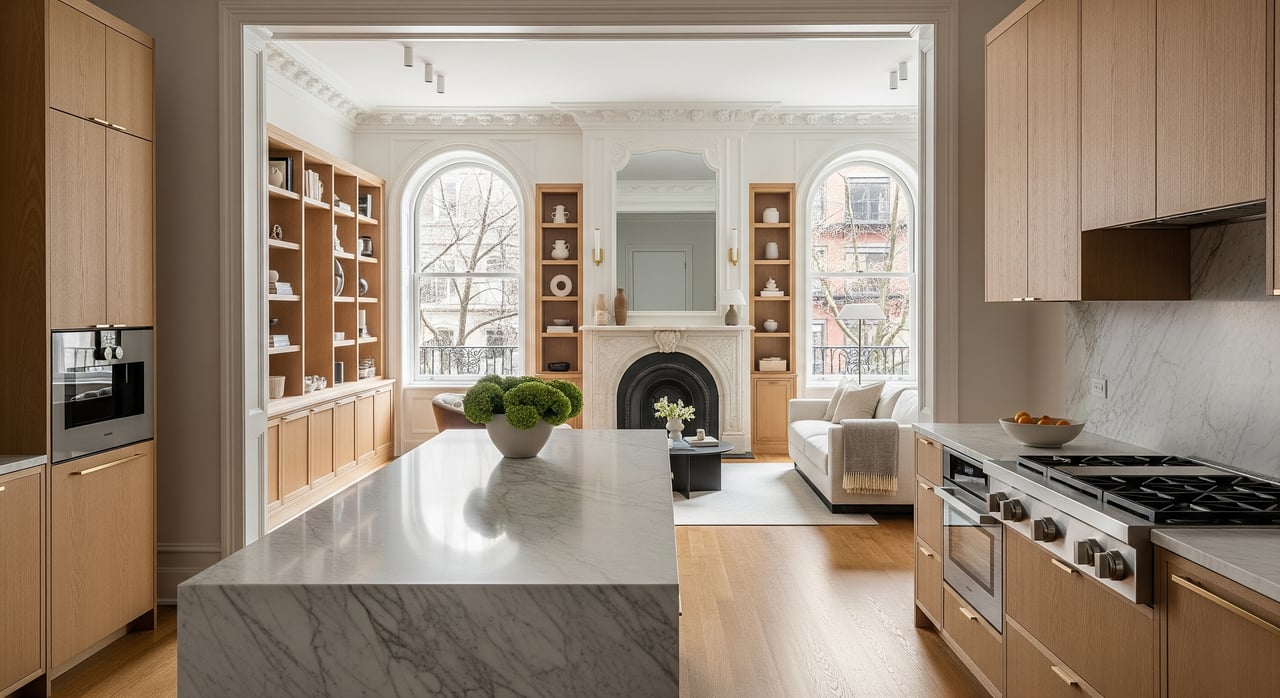
Picture this: you close on a Greenwich Village home on Friday and sleep there on Saturday. No contractors. No punch list. That promise is the heart of “turnkey.” In the Village, though, what counts as turnkey depends on the building type and the rules behind the walls. If you are clear about what is included, you avoid surprises and position yourself to make a smart decision. In this guide, you will learn how “turnkey” plays out in Village co-ops, condos, and townhouses, plus practical checklists for buyers and sellers. Let’s dive in.
Turnkey in Greenwich Village
At its core, “turnkey” means a home that is ready to occupy with no significant repairs or renovations required. In Greenwich Village, expectations shift with the property type, price point, and building rules. Because “turnkey” is not a legally defined term, the smartest approach is to spell out exactly what it covers for a specific listing.
Co-ops: cosmetic focus
In most Village co-ops, turnkey usually means clean, freshly painted, and fully functional interiors. Kitchens and baths may be updated, but large mechanical systems are typically building controlled. You still go through board approval, and you may personalize finishes later. The point is that you can move in now without tackling major work.
Condos: systems and finishes
Condos are more likely to advertise comprehensive updates. A turnkey condo often includes modernized kitchens and baths, appropriate electrical for today’s usage, and in many cases in-unit HVAC. This level of readiness appeals to pied-a-terre buyers and investors who value low maintenance and speed.
Townhouses: structure and exterior
For townhouses and brownstones, turnkey means more than pretty finishes. Buyers look for evidence that there are no urgent structural, facade, or roof issues. Because many Village townhomes are historic, even a well-renovated property will still require routine maintenance over time.
Prewar walk-ups: realistic limits
Smaller prewar buildings can present older plumbing or electrical realities. A unit can be turnkey on the interior while existing within a building that has aging risers or idiosyncratic layouts. Buyers commonly accept this context if the apartment itself is ready and safe.
Buyer expectations checklist
When a Village home is marketed as turnkey, you should still verify what that means in practice. Use this as a starting point.
- Clean, move-in-ready interior: fresh paint, deep cleaned, staged or empty and broom-clean.
- Working major appliances: refrigerator, stove, dishwasher, microwave, and washer or dryer if advertised.
- Safe, functioning systems: appropriate electrical panel size, no exposed wiring, no active leaks, consistent hot water and heat.
- Updated kitchens and baths where advertised: intact countertops, sound cabinets, working fixtures, functioning toilets and showers.
- No outstanding safety hazards: no visible mold, no infestation issues.
- Clear access and clear title context: no undisclosed liens or open building violations.
- Key documentation: smoke and carbon monoxide compliance details and any available appliance warranties or service records.
Questions to ask the listing agent
- What specifically does “turnkey” include for this listing, including systems and finishes?
- Are there receipts or permits for recent renovations, especially for electrical or plumbing work?
- Are any building assessments or capital projects planned that could affect the unit?
- Has the unit been recently occupied and are there any known pest treatments or issues?
- For co-ops: what should I know about the board’s application process and timelines?
Inspection items to verify
- Electrical: panel capacity, age, and any sign of knob-and-tube or aluminum wiring in prewar buildings.
- Plumbing: water pressure, condition of risers, evidence of past or active leaks.
- HVAC and hot water: age and condition of in-unit systems where applicable or the building’s central system.
- Appliances: age, condition, and any transferable warranties.
- Building records: check for outstanding Department of Buildings violations and, for taller buildings, ask about facade safety compliance.
- Condo or co-op documents: bylaws, house rules, financials, current or upcoming assessments.
Red flags to watch
- No documentation for claimed renovations.
- Unpermitted alterations that surface late in diligence.
- Water stains, odors, or other signs of unresolved leaks.
- Building-level projects like roof or facade work that could trigger assessments soon.
Seller preparation for turnkey
If you want to market a Village home as turnkey, align your preparation with buyer expectations and local rules.
- Cosmetic updates: repaint in neutral tones, repair or refinish floors, deep clean, and consider professional staging.
- Appliances and fixtures: ensure all advertised items work, service older units, and organize manuals and warranties.
- Systems check: have in-unit HVAC or boilers serviced where applicable and confirm electrical and plumbing function.
- Safety and code items: install or verify smoke and carbon monoxide detectors as required and remove hazards like exposed wiring.
- Documentation and disclosures: gather receipts, permits, warranties, and any engineer or contractor reports.
- Condo and co-op items: prepare the latest financial statements, offering plan for condos, and clear board application instructions for co-ops.
- Title and violations: review building records and resolve or clearly disclose open issues.
Costs and scope realities
“Turnkey” can be achieved at different levels. Cosmetic readiness is relatively cost effective compared with full kitchen or bath remodels or system upgrades. Weigh current competition and buyer expectations in your price band to decide how far to go.
Legal and board constraints
- Co-op approvals: a turnkey apartment still requires board approval, and no one can guarantee the outcome.
- Permits: unpermitted work is a material issue in New York City. Consider regularizing it or disclose it clearly.
- Landmarks: much of the Village sits within historic districts, so exterior changes typically require Landmarks Preservation Commission approval. Do not promise exterior upgrades without proper permits.
- Rental status: if a unit is rent regulated or part of a conversion, tenant rights and legal constraints shape what is possible.
Marketing clarity
Define “turnkey” in your listing copy so buyers know exactly what is included. Spell out recent work, included appliances, any warranties, and what is not part of the offer. Clear copy reduces renegotiation and builds trust.
Pricing and time-on-market
Turnkey listings often feel lower risk to buyers. That perception can lead to faster showings, fewer objections, and fewer repair requests during contract. The price premium varies by market conditions and the quality of the work. In high-demand pockets, even as-is properties may move quickly, but turnkey presentation becomes more influential as inventory rises.
When pricing, compare to recently sold homes with similar renovation levels and building amenities. If direct comps are thin, evaluate realistic post-renovation value against renovation costs, then price for buyer convenience rather than assuming full cost recovery. Documentation that supports your turnkey claims strengthens your position in any negotiation.
Local rules that shape turnkey
A few Village-specific factors often influence what turnkey really means for you.
- Landmark districts: exterior changes like windows or facade work usually need Landmarks approvals. Confirm permit status before you assume exterior scope.
- Older building stock: many Village buildings are prewar, with building-controlled systems or older risers. Your unit can be turnkey while the building still follows older norms.
- Department of Buildings oversight: unpermitted work in older buildings is common. Resolve it when possible or disclose it to keep the deal on track.
- Co-op norms: some boards limit subletting, renovations, or investor purchases. Align your buyer pool and marketing with building rules.
- Ongoing projects: facade safety work and street or sidewalk construction can affect timing and quiet enjoyment. Sellers should disclose nearby projects that may impact move-in.
- Pest control context: dense neighborhoods often have routine pest management. Buyers may request histories, so be prepared to share treatment records if relevant.
How to evaluate a “turnkey” listing
Use this quick process to verify that a listing matches your expectations.
- Define the promise: read the listing and ask the agent to clarify what “turnkey” covers, including systems and documentation.
- Match promises to paper: request receipts, permits, warranties, and service records for any claimed work.
- Inspect strategically: tailor your inspection to building type and age, with a focus on electrical capacity, plumbing condition, and HVAC.
- Review building context: check condo or co-op documents for assessments, house rules, and financial health, and ask about open DOB issues.
- Align timing: for co-ops, plan for board calendars. For any unit with unpermitted past work, build in time for resolution or disclosure.
Next steps
If you want certainty and speed, define turnkey on your terms. If you want to position your home to command a premium, present a clear, documented story that buyers can trust. For strategic guidance tailored to Greenwich Village’s co-ops, condos, and townhouses, schedule a conversation with Evan Roth. We will map the right scope, pricing, and marketing so you move confidently from listing to closing.
FAQs
What does “turnkey” mean in a Greenwich Village co-op?
- It usually refers to cosmetic readiness like fresh paint, clean interiors, functional appliances, and safe systems, while larger mechanical systems remain building controlled and board approval is still required.
What documents should I request for a turnkey Greenwich Village condo?
- Ask for receipts and permits for any renovations, service records for in-unit HVAC if applicable, appliance warranties, and the latest condo financials and house rules.
How do landmark rules affect turnkey Village townhouses?
- Exterior work like windows or facade repairs typically needs Landmarks approvals, so verify permit status before assuming exterior upgrades are included in a turnkey promise.
Does a turnkey label speed co-op closings in the Village?
- It can reduce repair negotiations, but the co-op board process still governs timing, so plan for board calendars and package review periods regardless of condition.
How does turnkey status affect price in Greenwich Village?
- Buyers often pay more for convenience and certainty, but the premium depends on market conditions and workmanship, so price against recent sales with similar finish levels and building context.