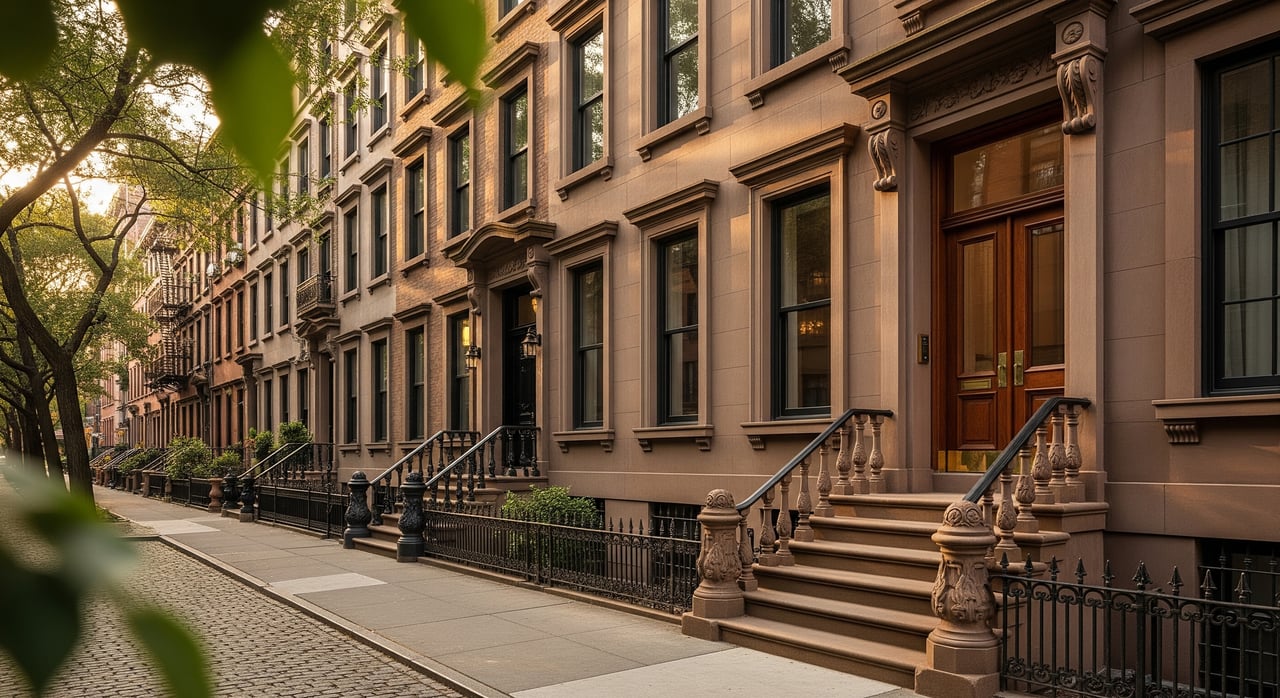
Considering a West Village townhouse or walk-up with historic charm, but unsure how landmark status affects your plans? You’re not alone. Buyers often love the streetscape and craftsmanship, yet worry about approvals, timelines, and costs. In this guide, you’ll learn what landmark designation really means for daily living, renovations, value, and due diligence, so you can move forward with clarity. Let’s dive in.
What landmark status means in the West Village
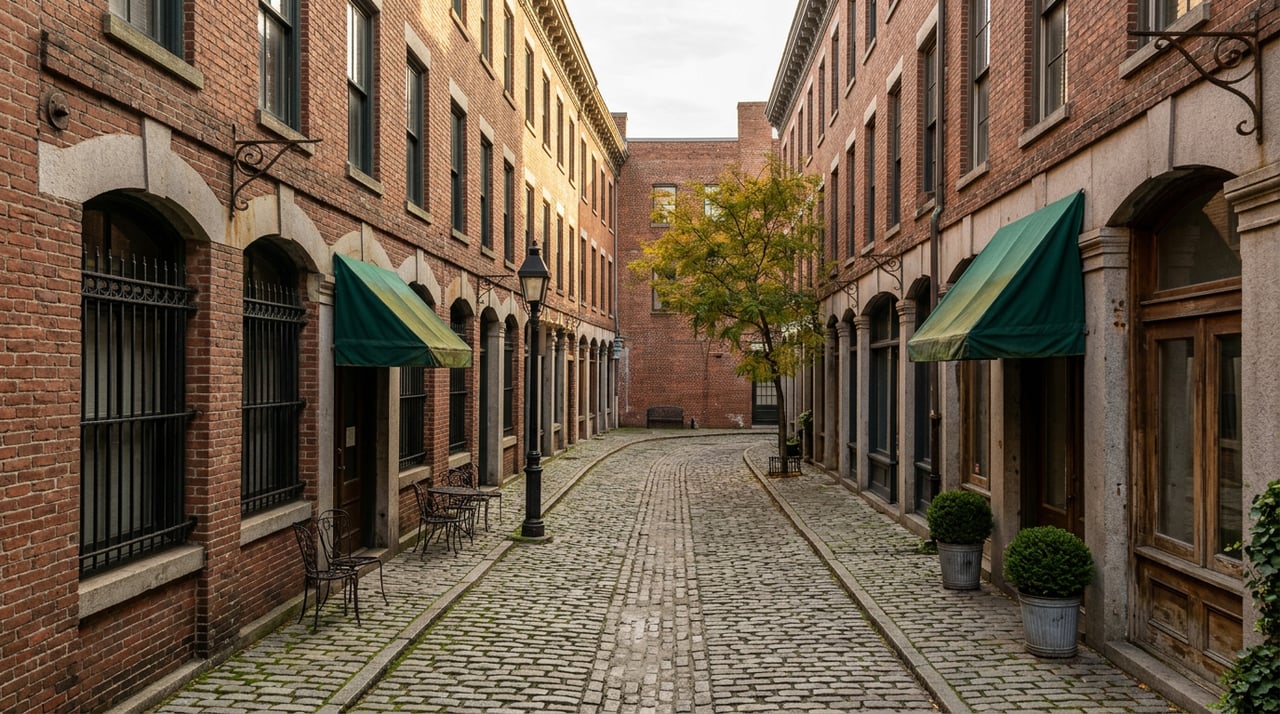
The West Village is covered by several New York City historic districts, along with select individual landmarks. Landmark rules are part of the neighborhood’s identity, protecting the character that draws you to these blocks in the first place. Understanding who regulates what will help you plan from day one.
Who regulates and how it works
The New York City Landmarks Preservation Commission oversees exterior work visible from a public way. If you change something that can be seen from the street, you likely need LPC approval. You can review policies and procedures on the New York City Landmarks Preservation Commission website.
The New York City Department of Buildings issues building permits and enforces code. Even when LPC approves, you still need DOB permits for most construction. See permitting and code guidance on the Department of Buildings site.
At the federal level, the National Park Service provides best-practice guidance through the Secretary of the Interior’s Standards. These standards inform preservation design and are required for certain incentive programs.
Types of designation you might encounter
- Historic districts. These cover multiple blocks to preserve the streetscape. In the West Village, different LPC districts protect various sections rather than one single zone.
- Individual landmarks. A specific building receives this status for its unique historic or architectural significance.
- Interior landmarks. These are rare for private homes and more common in public or institutional buildings. Most West Village residences do not have interior landmark status.
How it affects renovations and daily life
Landmark status does not mean you cannot update your home. It means visible changes must be compatible with the building and streetscape, and you need the right approvals.
Facades and masonry
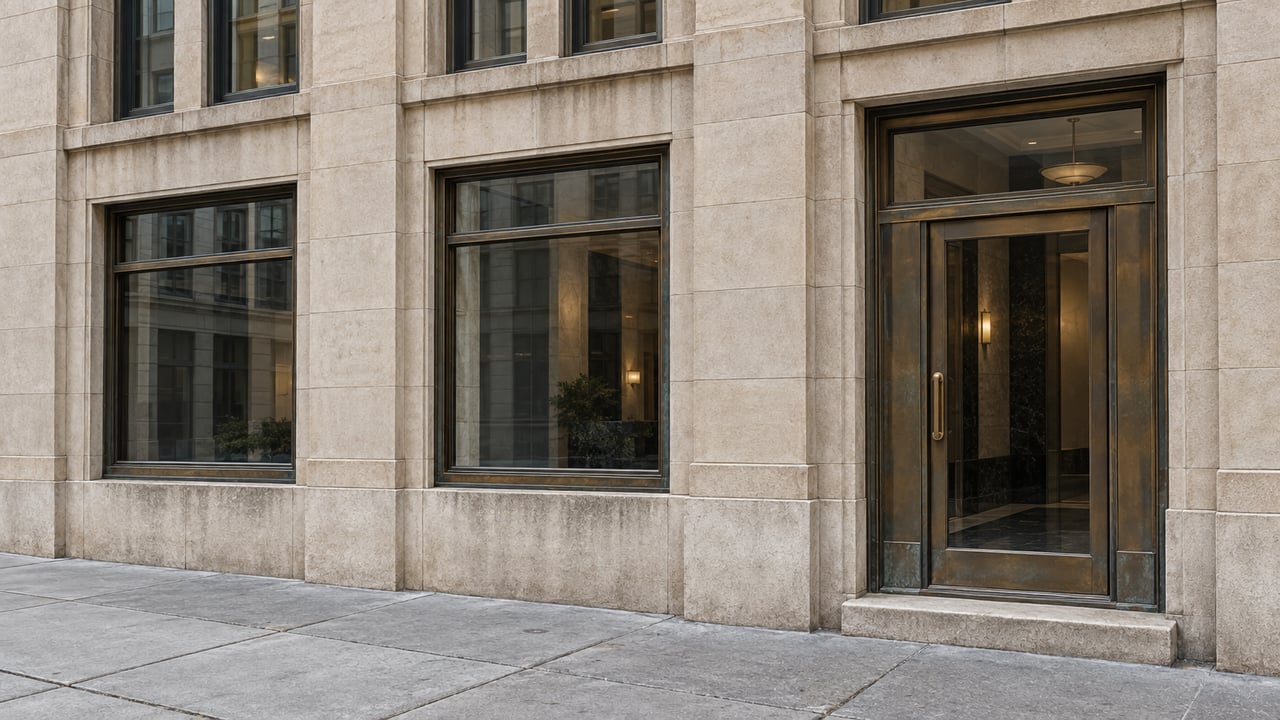
Street-facing facades are almost always within LPC’s jurisdiction. Repair is preferred over replacement, and in-kind materials and methods are favored. Expect to use compatible mortar for repointing and avoid abrasive cleaning that removes historic material.
Original features like stoops, cornices, and brownstone details are typically preserved. Painting over original masonry is often discouraged unless there is evidence it was historically painted.
Windows and doors
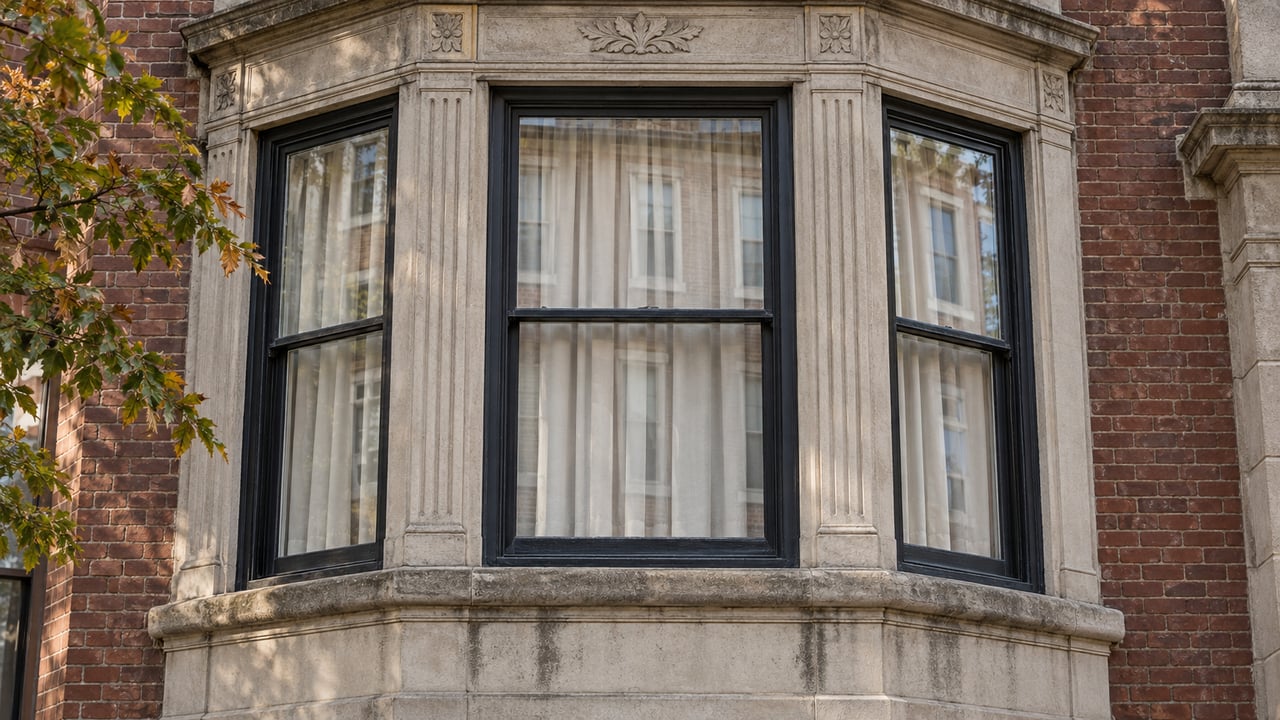
Windows and doors seen from the street are regulated. LPC often encourages repair of original wood windows when feasible, and allows replacement when deterioration is beyond repair and the replacements match historic profiles and muntin patterns. Some energy-efficient options are acceptable when they match the look of the originals.
Through-wall HVAC units, exterior security features, or new openings that alter the street elevation usually need LPC sign-off. Interior storm windows or unobtrusive exterior storm units can be approved as energy improvements when designed carefully.
Roofs and rooftop additions
Rooftop changes must be discreet. Additions, bulkheads, and railings generally need to be set back to reduce visibility from the street. Visible mechanical equipment and new terraces often require review. Cornice repair or replacement typically must match the original profile and materials.
Rear facades and interiors
Rear facades and interior work are often less restricted. Interior renovations inside a private residence usually do not require LPC review unless the interior is specifically landmarked. However, any changes to rear facades that are visible from a public way may still trigger LPC review, so your architect should verify sightlines early.
Mechanical, energy, and accessibility upgrades
You can modernize, but design matters. Visible solar panels, chimneys, or mechanical units may need LPC clearance. Placement that is not visible from public vantage points improves approval odds. LPC has recently accepted some unobtrusive energy measures when they minimize visual impact.
Accessibility improvements like sensitively designed ramps or lifts are often approvable. Your team should balance function with a design that complements the historic fabric.
Timelines, costs, and financing
Planning your timeline and budget around LPC and DOB processes helps you avoid surprises. Factor in design revisions and staff coordination, even for smaller scopes.
Approval timelines
- Minor work that does not change the appearance may qualify for a Certificate of No Effect. These staff-level approvals can often be completed in weeks.
- Visible exterior changes usually require a Certificate of Appropriateness. These can take months because they may involve design iterations, public hearings, and scheduling.
- DOB permits add steps for structural, life-safety, and code-related work. Complex scopes lengthen the schedule.
For current procedures and application guidance, start with the LPC’s official resources and confirm permit needs with the DOB.
Cost implications
Owning a landmarked property can involve higher maintenance and construction costs. You may need historically accurate materials and specialized contractors, along with architect drawings and approval preparation. These investments preserve craftsmanship and protect the streetscape.
On the flip side, the guardrails discourage destructive remodeling that could erode long-term value. The result is a neighborhood that maintains its character and appeal.
Financing and insurance
Most mainstream lenders will finance landmark properties, and appraisals should reflect the reality of alteration constraints. Insurance should account for possible restoration or in-kind replacement costs, so it is smart to confirm policy scope before you commit.
If you intend to pursue tax credits, note that the Federal Historic Rehabilitation Tax Incentives program generally applies to income-producing certified historic projects, not private single-family residences. You can review eligibility on the NPS tax incentives page. A tax advisor can help you evaluate whether any incentives apply to your plan.
Value and marketability in the West Village
In sought-after neighborhoods like the West Village, restrictions that preserve architectural character often support long-term value by protecting the streetscape and limiting incompatible development. While the extra steps can deter some buyers, the remaining pool is typically committed to the lifestyle and aesthetics, which keeps demand resilient.
Due diligence checklist for buyers
Preparation is your advantage. Thorough due diligence clarifies what you can do, what it may cost, and how long it may take.
What to verify before you bid
- Confirm whether the property is within an LPC historic district or is an individual landmark. Review maps and policies on the LPC website.
- Ask for prior LPC approvals, including any Certificates of Appropriateness, plus records of open LPC violations or correspondence.
- Review DOB records for permits, violations, and certificates of occupancy. Begin with the Department of Buildings and work with your team to pull a thorough history.
- Request recent restoration invoices, contractor warranties, and any architect or preservation consultant reports.
- Check title for easements or covenants that could restrict alterations.
- For co-ops or condos, review the proprietary lease, house rules, and bylaws for building-level renovation policies.
- Confirm insurance requirements and obtain quotes that reflect potential restoration costs.
- Consider how needed structural or code work might affect financing and timing.
For practical tips, you can also consult the Historic District Council’s owner guidance.
The right team for a smooth purchase
- An experienced West Village agent who understands LPC and DOB processes.
- A preservation architect or architect with LPC track records to guide design feasibility and approvals.
- A contractor with historic rehabilitation experience for accurate pricing and execution.
- A real estate attorney to manage title, bylaws, and contract contingencies.
- A preservation consultant for complex projects and a tax advisor if incentives may apply.
Negotiation tips and contingencies
- Negotiate contingencies for a satisfactory review of LPC and DOB records, plus time to secure required approvals.
- Request seller documentation of prior LPC approvals and completed work to reduce uncertainty.
- Build a contingency budget for hidden conditions common in older buildings.
Is a landmarked West Village home right for you?
If you value historic character, architectural detail, and a protected streetscape, West Village landmark living can be deeply rewarding. You can modernize and personalize, but you will do so within a framework that prizes compatibility and craftsmanship. With the right team and a clear plan, the approval process becomes a project timeline rather than a roadblock.
If you’re considering a landmarked townhouse or a walk-up and want straight answers on approvals, costs, and resale strategy, connect with Evan Roth. You’ll get boutique, detail-driven guidance that helps you move confidently from first tour to closing.
FAQs
What does LPC approval cover on West Village homes?
- LPC regulates exterior work visible from a public way, including facades, street-facing windows and doors, rooflines, and visible mechanicals. Interior work is typically not reviewed unless the interior is specifically designated.
How long does a Certificate of Appropriateness take?
- Timelines vary, but visible exterior changes often take months due to design revisions, scheduling, and hearings. Staff-level approvals for minor work can be faster.
Can I replace windows with modern energy-efficient units?
- Yes, if deterioration is beyond repair and replacements match historic profiles and sightlines. LPC often allows custom energy-efficient windows that replicate the original appearance.
Are rooftop terraces and additions allowed in the West Village?
- Often, if designed to minimize visibility from the street. Setbacks, low-profile railings, and careful placement of mechanicals improve approval odds.
Do federal tax credits apply to my single-family townhouse?
- Generally no. Federal historic rehabilitation tax credits are primarily for income-producing certified projects. Review eligibility on the NPS site and consult a tax advisor.
What should I review before making an offer?
- Confirm designation status, check LPC and DOB records, request prior approvals and contractor documentation, verify building rules for co-ops or condos, and obtain insurance quotes that reflect restoration costs.