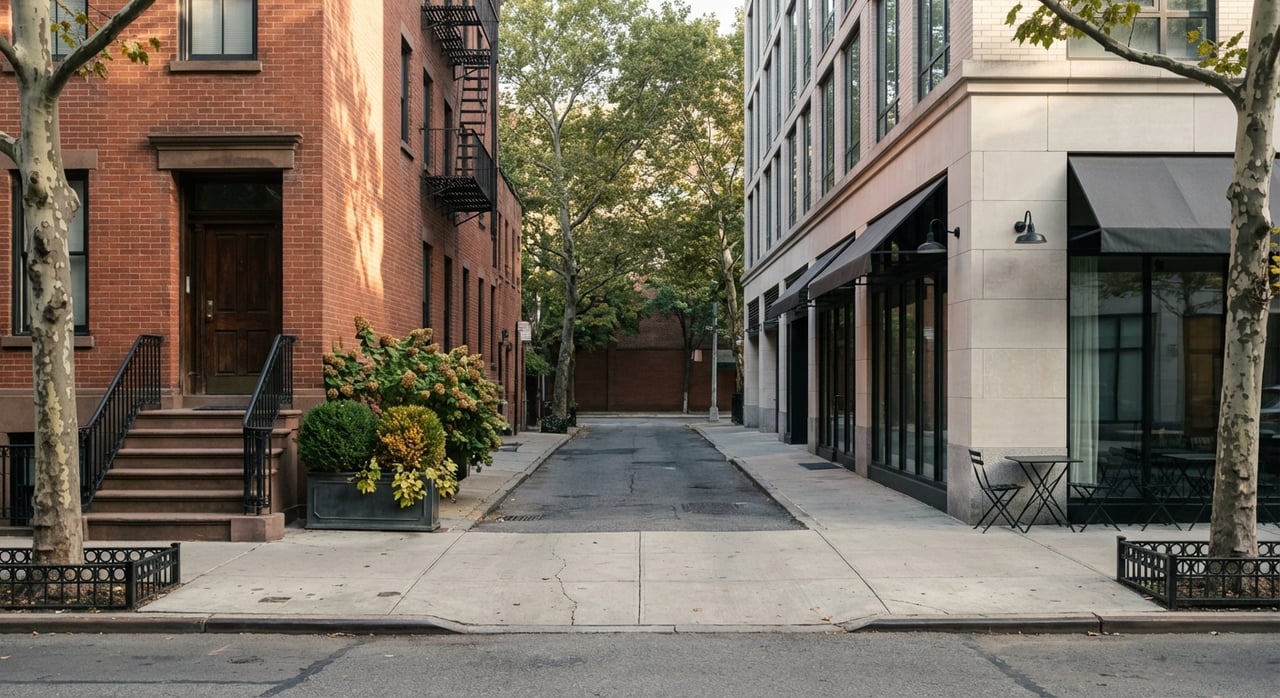
Craving West Side energy, river air, and an easy pre-show dinner routine? Hell’s Kitchen wraps daily convenience around a deep arts scene and a growing skyline. If you are weighing condo options, curious about co-ops, or just want the best streets for dining and waterfront walks, you are in the right place. Below, you will find a clear tour of dining, culture, parks, housing types, and buyer tips tailored to this neighborhood. Let’s dive in.
Where Hell’s Kitchen sits
Hell’s Kitchen, also known as Clinton or Midtown West in many listings, stretches from roughly Eighth Avenue to the Hudson River and between the mid 30s and West 59th Street. It sits inside Manhattan Community District 4 and shows real block-to-block shifts in scale. Interior streets often keep their walk-up character while taller buildings rise along major corridors. For a quick overview of boundaries and history, review the neighborhood’s profile on Wikipedia.
Dining anchors: Restaurant Row and Ninth Avenue
West 46th Street between Eighth and Ninth Avenues, known as Restaurant Row, has been a go-to pre- and post-theater dining strip for decades. It serves both locals and Broadway audiences with a tight lineup of restaurants just off the main Theater District. The broader Ninth Avenue corridor adds everyday flavor with multi-ethnic spots, markets, and cafes that define neighborhood dining. To get the feel for Restaurant Row’s history and mix, explore the official overview.
Culture and the theater ecosystem
Living here puts you next to the Broadway core and a network of off-Broadway stages, rehearsal spaces, and arts institutions. That proximity explains why you will meet actors, stagehands, and artists in the local rental and co-op markets. The Actors Studio, for example, is on West 44th Street, a reminder that rehearsal and performance life is embedded in the neighborhood’s daily rhythm. The result is a cultural landscape that balances long-time creative energy with new development.
Hudson River Park and daily outdoor life
The west edge is one of Hell’s Kitchen’s greatest perks. Hudson River Park brings an esplanade, lawns, dog runs, and easy access to the greenway for runs, rides, and sunsets. Nearby piers like Pier 84 and Pier 86 anchor regular routines, from kayaking to relaxed riverfront time. Recent upgrades include the new Pier 97 park, which opened in 2024 and adds more flexible waterfront space for gatherings and views. For programs, maps, and amenities, start with the park’s Hell’s Kitchen page and local coverage of Pier 97’s opening.
Housing snapshot: what you will find
Hell’s Kitchen offers a mix of preserved low-rise blocks and rising, amenity-rich towers. Understanding where each fits will help you target the right streets and buildings.
Side-street co-ops and walk-ups
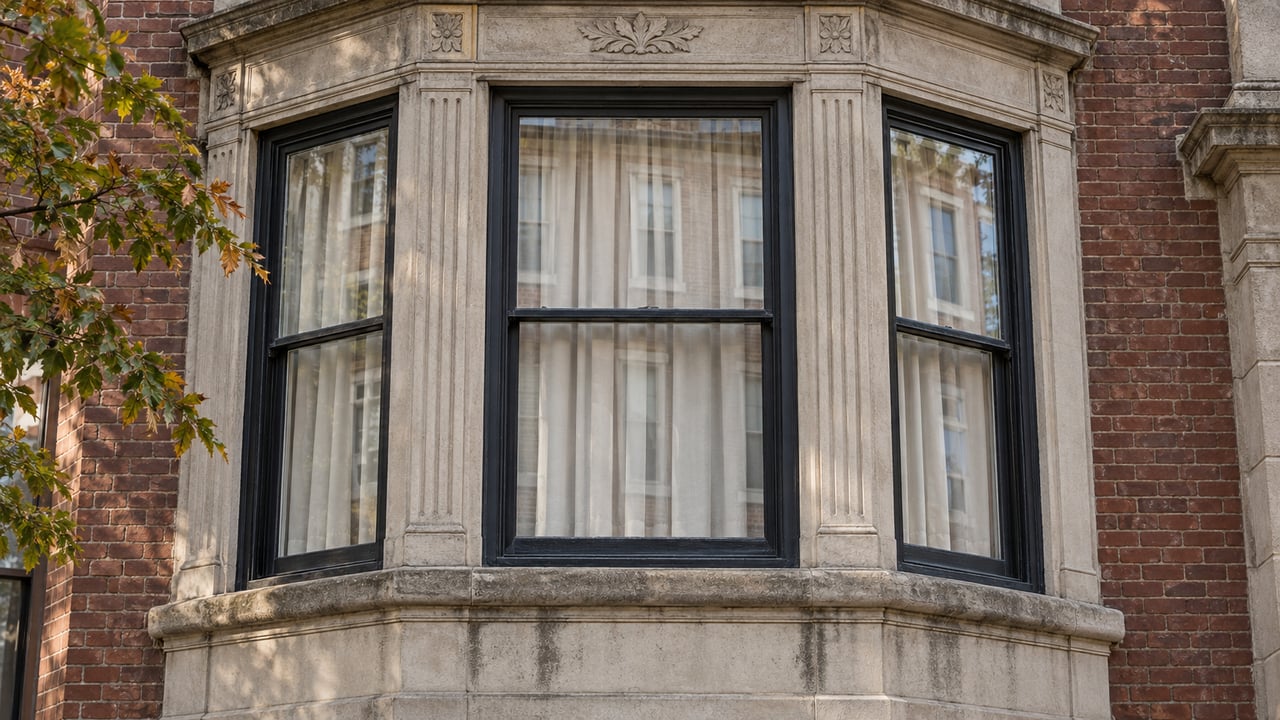
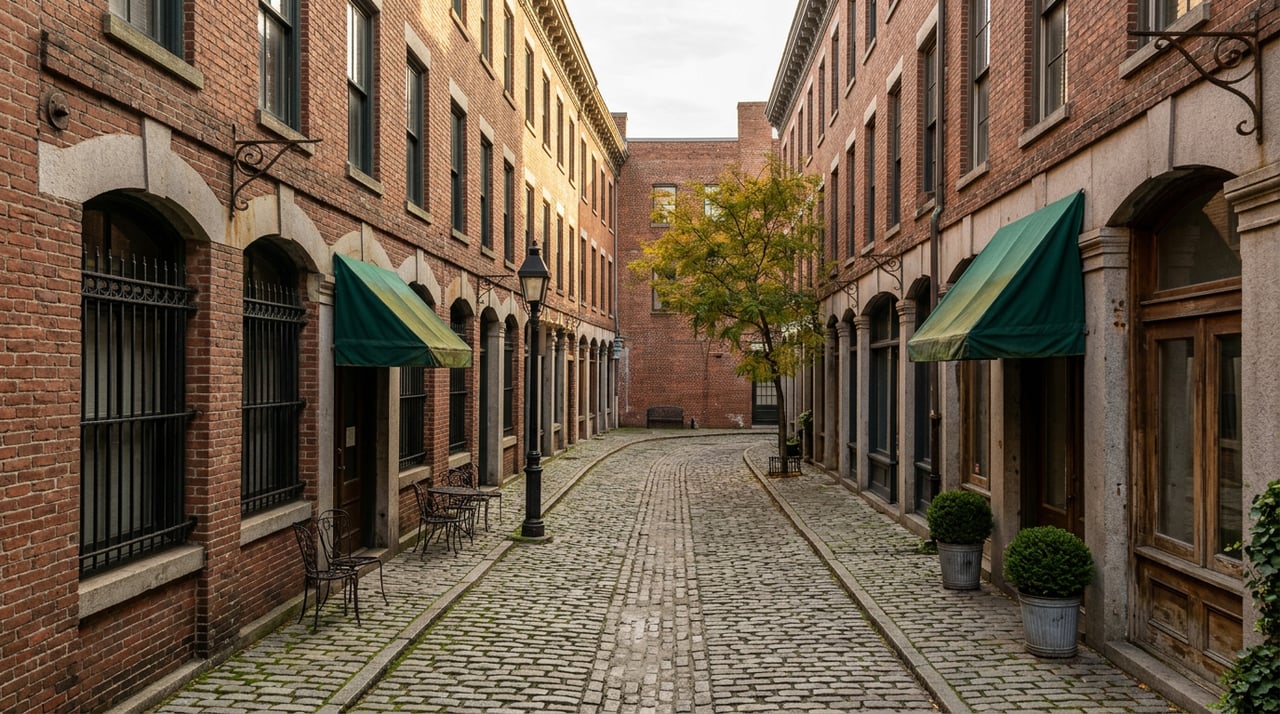
Many interior blocks, especially between Ninth and Tenth Avenues, are lined with prewar walk-ups and small co-ops. These buildings often offer smaller apartments and modest monthly maintenance, with co-op board approval as part of the purchase process. They have long been the value baseline for buyers seeking central location without a tower premium. The survival of this stock aligns with neighborhood history and zoning described on Wikipedia.
Postwar high-rises on the west side
Mid-to-late 20th century high-rises appear closer to the river and along major avenues. These are often full-service rentals or converted towers with doormen and amenities. A representative example is Riverbank West, a riverside high-rise known for its services and views. For a building-level snapshot, see the Riverbank West overview.
Newer luxury projects near Hudson Yards
The far west blocks near Hudson Yards and the 7-line have seen a wave of larger, modern developments with extensive amenity packages. Gotham West, for example, brought a multi-building community and on-site food options that appeal to buyers and renters seeking convenience and new construction. For a tour of recent west-side development, review CityRealty’s neighborhood coverage.
Preservation and zoning: why the neighborhood feels mixed
The Clinton Special District includes a Preservation Area that limits demolition and controls height on many interior blocks. This helps explain why older mid-block walk-ups endure while taller buildings cluster near wider avenues and the far west side. If you care about long-term character and scale, this framework is worth knowing as you weigh a specific block or building. For background and maps, see Manhattan Community Board 4’s planning resources.
Condos vs co-ops: quick buyer guide
In Manhattan, co-ops dominate older housing while condos lead new development and high-flexibility ownership. Here is a simple lens to compare them as you focus your Hell’s Kitchen search:
- Down payment and financing
- Co-ops typically require higher down payments and detailed financials.
- Condos often allow more flexible financing and are simpler to close.
- Use and flexibility
- Co-ops usually limit subletting and have stricter house rules.
- Condos generally allow easier renting, resales, and pied-à-terre usage.
- Process and timing
- Co-ops require a board package, interview, and longer approval timeline.
- Condos have no board interview and a more predictable closing path.
If you want a concise primer on key differences, this co-op vs. condo explainer is a helpful reference.
Value pockets and price signals
As a broad pattern, older side streets with prewar walk-ups and smaller co-ops tend to offer more approachable entry points. Newer glass towers and condos closer to 11th Avenue and Hudson Yards command premiums for views and amenities. Zillow’s neighborhood index placed Hell’s Kitchen’s average home value in the mid to high six figures, near $924,000 as of late 2025. On the rental side, studio and one-bedroom medians were reported in the roughly 3,000 to 4,000-plus range through 2024 to 2025, with wide variation by building and block. Always verify the latest numbers before you act, since pricing moves with inventory and season.
Transit and daily logistics
Getting around is straightforward from this location. The Times Square–42nd Street station complex provides major subway transfers in all directions and anchors commuting patterns on the east side of the neighborhood. The 7 line at 34th Street–Hudson Yards links the far west side to Grand Central and Queens, helping catalyze development near the river. If you travel regionally, Port Authority and Penn Station are accessible for buses and trains. For system overviews, see Times Square–42nd Street and 34th Street–Hudson Yards.
Buy or rent: how to choose here
- Consider your lifestyle
- If you want predictable services, amenities, and easy package handling, modern doorman towers may fit best.
- If you prefer character, lower carrying costs, and a quieter mid-block feel, a prewar walk-up or small co-op might be right.
- Map your daily routine
- Proximity to your subway line, Restaurant Row, and the Hudson River Greenway can shape day-to-day life and value.
- West-facing or high-floor units with river access and views often command premiums.
- Plan for flexibility
- If you need rental flexibility or a pied-à-terre, a condo usually offers a simpler path.
- If you seek value and plan to stay put, a co-op can be a strong long-term home.
Notable buildings to know
- Gotham West
- Large, amenity-forward community near the far west side with on-site food options and easy access to cycling and the river. Get a sense of the broader west-side pipeline in CityRealty’s overview.
- Riverbank West
- Riverside high-rise with full services and views, representative of postwar towers that define parts of the avenue grid. See the building snapshot.
- Silver Towers and One River Place
- Prominent west-side towers with full-service profiles and access to the waterfront and Midtown.
- Prewar co-ops on side streets
- Smaller, character-rich buildings that often provide the best entry points for buyers focused on value and central location.
Make your Hell’s Kitchen plan
Hell’s Kitchen blends theater-adjacent dining, a lively Ninth Avenue strip, and the calm of Hudson River Park into a daily lifestyle that is hard to beat. Whether you are targeting a condo with amenities, a long-term co-op on a leafy side street, or a high-floor river view, the best outcome comes from a focused strategy by block and building. If you want a tailored plan with current pricing, board requirements, and on- or off-market inventory, let’s connect. Schedule a Private Consultation with Evan Roth to map your move with precision.
FAQs
What are Hell’s Kitchen’s boundaries in Manhattan?
- Hell’s Kitchen generally runs from Eighth Avenue to the Hudson River and roughly between the mid 30s and West 59th Street, within Manhattan Community District 4.
Where is Restaurant Row and why does it matter?
- Restaurant Row is West 46th Street between Eighth and Ninth Avenues, a concentrated pre- and post-theater dining strip that anchors local and Broadway dining.
How does Hudson River Park impact daily life here?
- The park delivers waterfront paths, lawns, dog runs, and access to piers like Pier 84 and Pier 97, adding easy options for runs, rides, and sunset walks.
What is the Clinton Special District in Hell’s Kitchen?
- It is a zoning framework that preserves many low-rise interior blocks and channels taller development to certain corridors, shaping the area’s mixed-scale feel.
Are condos or co-ops more common in Hell’s Kitchen?
- Older side streets skew to co-ops with board approval and rules, while newer buildings and far west-side projects are more likely to be condos with flexible use.
Which transit hubs serve Hell’s Kitchen residents?
- The Times Square–42nd Street complex and the 34th Street–Hudson Yards 7-line station anchor subway access, with Port Authority and Penn Station nearby for regional travel.